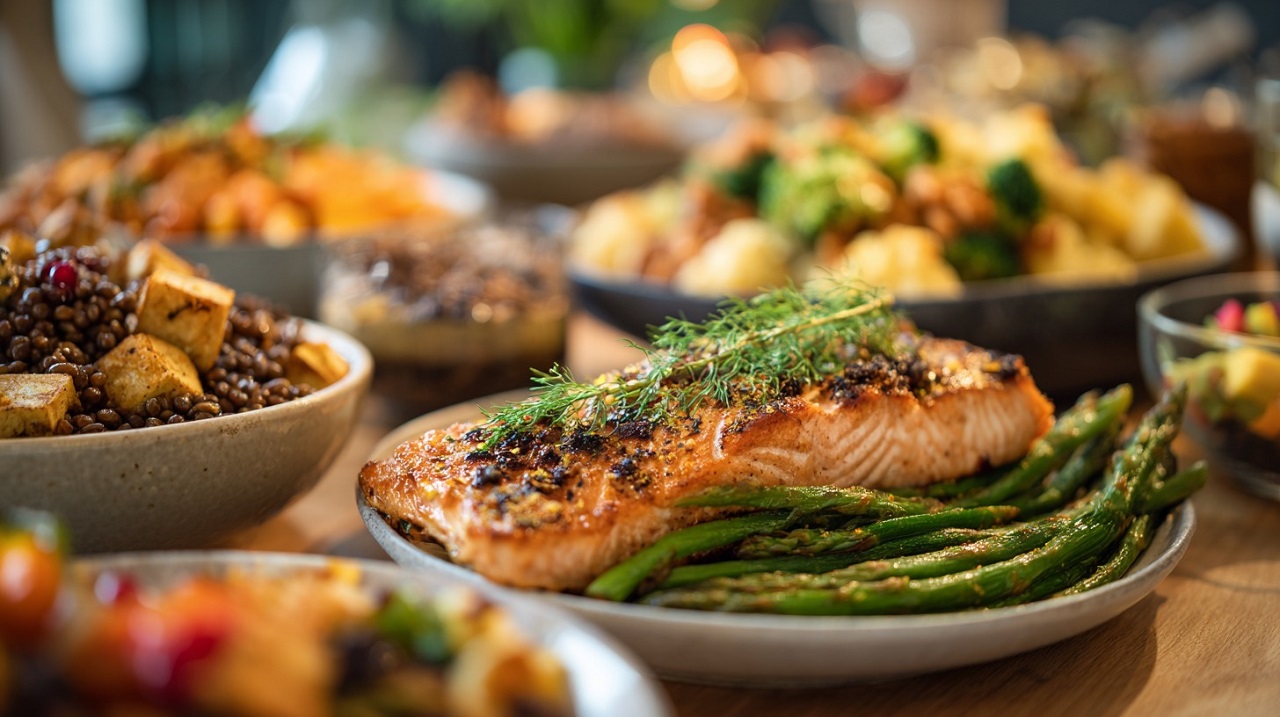
High-protein dinners do not need tubs of powder, specialty bars, or fitness-branded food. Regular grocery items already carry everything required for steady protein intake, real satiety, and repeatable meals.
hicken, fish, eggs, tofu, beans, yogurt, and cottage cheese deliver protein along with iron, calcium, potassium, fiber, and a sense of eating an actual dinner. A shaker bottle cannot compete with that.
A macro-friendly dinner also needs to feel livable. A meal that works for 2 weeks and then becomes a chore usually fails by month 2. Whole-food dinners solve that problem because flavors, textures, and portions can rotate without forcing a total reset.
This article offers a practical way to build high-protein dinners from standard grocery ingredients, backed by widely used nutrition references and long-form recipe development from registered dietitians and food editors. Let’s get into the details.
Whole-Food Protein Anchors That Make Dinner Easy
Start with one anchor protein, then build the plate around it.
Protein Amounts In Common Portions
Values below follow the University of Rochester Medical Center nutrition listings.
| Food (portion) | Protein (g) | Notes For Macro Planning |
| Chicken breast, cooked/roasted (1 cup chopped) | 43.43 | Very high protein density, low carb. |
| Salmon, Atlantic wild, raw (1 fillet) | 39.28 | Omega-3 fats, calorie level rises with fatty fish. |
| Cottage cheese, lowfat 2% (1 cup) | 31.05 | Big protein hit, sodium can be high. |
| Lentils, cooked/boiled (1 cup) | 17.86 | Protein plus fiber, strong bowl and soup base. |
| Black beans, cooked/boiled (1 cup) | 15.24 | Fiber-rich booster for meat or plant bowls. |
| Tofu, firm, calcium sulfate (1 cup) | 19.88 | Scales well for plant-based meals. |
| Egg, hard-boiled (1 large) | 6.29 | Easy add-on for protein math. |
| Yogurt, plain low fat (1 cup) | 12.86 | Useful in sauces, marinades, and bowls. |
Cottage cheese in that listing carries about 917 mg sodium per cup. Salt-sensitive eaters may need to factor that into daily totals.
Macro-Friendly Dinner Structure That Works With Any Diet Style
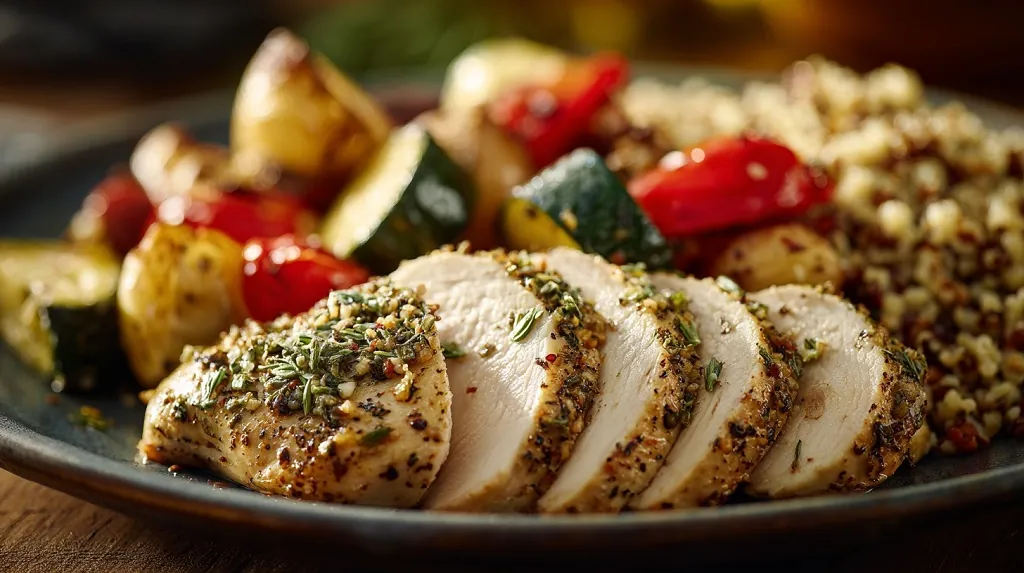
A simple structure avoids chaos.
Step 1: Pick An Anchor Protein
Choose one protein that naturally brings the meal near 25 g to 40 g.
Examples:
- 1 cup chopped chicken breast already clears 40 g.
- 1 cup cottage cheese clears 30 g.
- 1 cup lentils lands near 18 g, so pairing with eggs, yogurt, tofu, or chicken often completes the target.
Step 2: Add Volume With Vegetables
Vegetables create meal size without blowing calories. Plates feel like dinner rather than protein plus air.
Step 3: Choose Carbs And Fats Intentionally
Macro-friendly never means carb-free.
- Carbs support training, sleep, and satisfaction.
- Fats carry flavor and assist fat-soluble vitamin absorption.
- Calorie trimming usually starts with oils, cheese, and nuts, not protein.
High-Protein Dinner Templates You Can Rotate All Month
Each template works as a blueprint rather than a rigid recipe.
1. Sheet-Pan Chicken And Sweet Potatoes
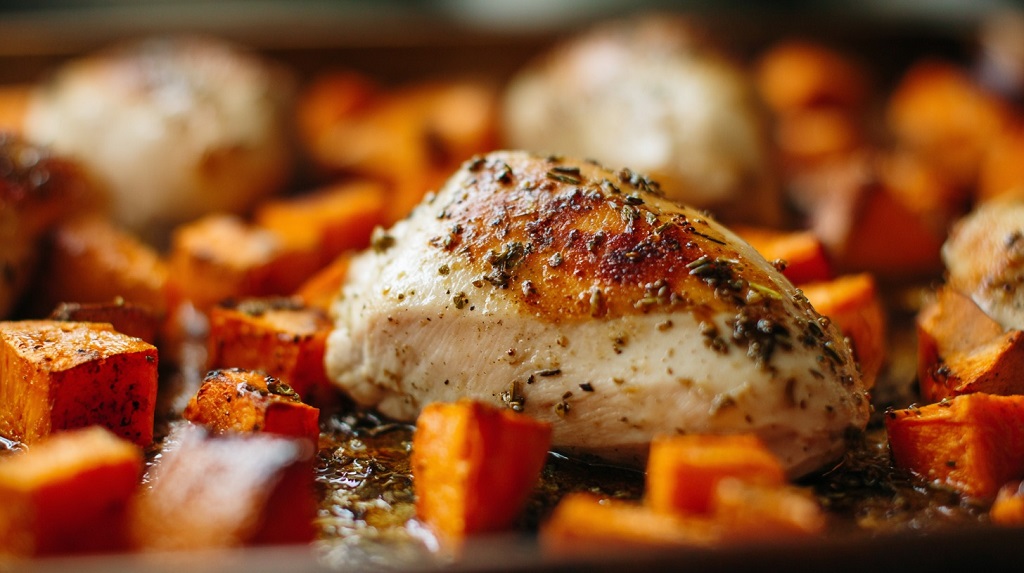
A sheet-pan setup simplifies cleanup and timing.
University of Rochester Medical Center publishes a sheet-pan chicken breast recipe where one serving built from a 4-oz chicken breast and sweet potato wedges delivers 28 g protein.
Macro-friendly upgrades:
- Add broccoli, peppers, or zucchini on a second tray.
- Use a measured amount of oil or cooking spray to keep fats predictable.
2. Salmon Rice Bowl With Crunchy Veg
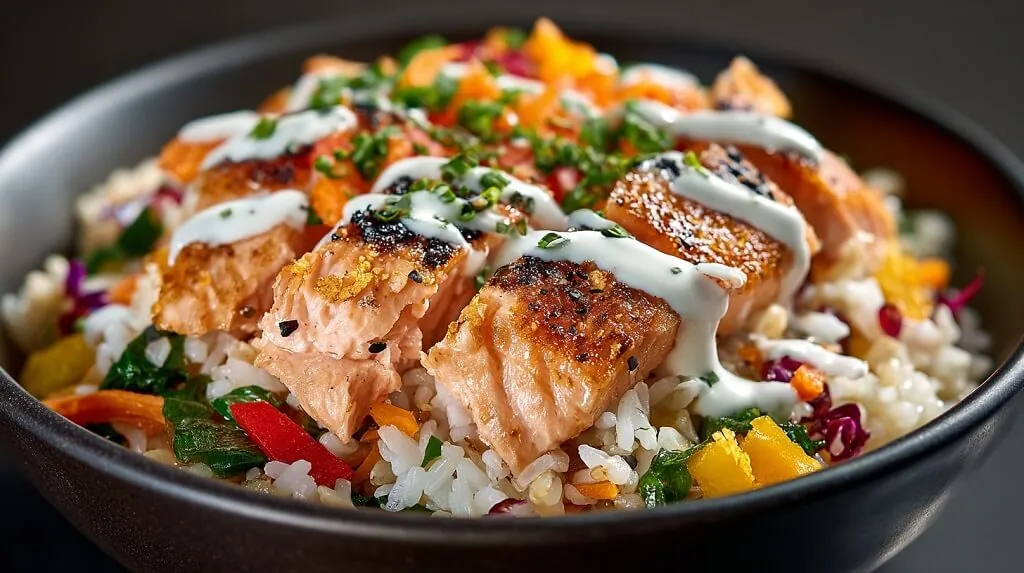
Build:
- Salmon fillet portion as the anchor
- Rice or quinoa based on carb targets
- Cucumber, shredded cabbage, carrots
- Yogurt, lemon, garlic, and herbs blended into a sauce
A salmon fillet sits near 39 g protein in URMC nutrition listings.
Macro tip: yogurt-based sauces keep fats moderate while preserving creaminess.
3. Turkey Or Chicken Fajita Bowls
View this post on Instagram
EatingWell’s high-protein dinner collections rely heavily on bowl-style meals designed to land around 30 g protein per serving.
Build:
- Lean ground turkey or diced chicken
- Peppers and onions
- Black beans
- Salsa and lime
- Yogurt in place of sour cream
Black beans provide 15.24 g protein per cup, so even a half-cup adds meaningful protein.
4. Lentil “Bolognese” With Real Sauce
Build:
- Lentils simmered with crushed tomatoes, garlic, onion, oregano
- Serve over pasta, legume pasta, or roasted spaghetti squash
- Add chopped chicken or turkey if aiming for 35 g to 45 g
Lentils offer 17.86 g protein per cup cooked plus fiber.
Macro tip: measure pasta and increase vegetables inside the sauce.
5. Crispy Tofu Stir-Fry
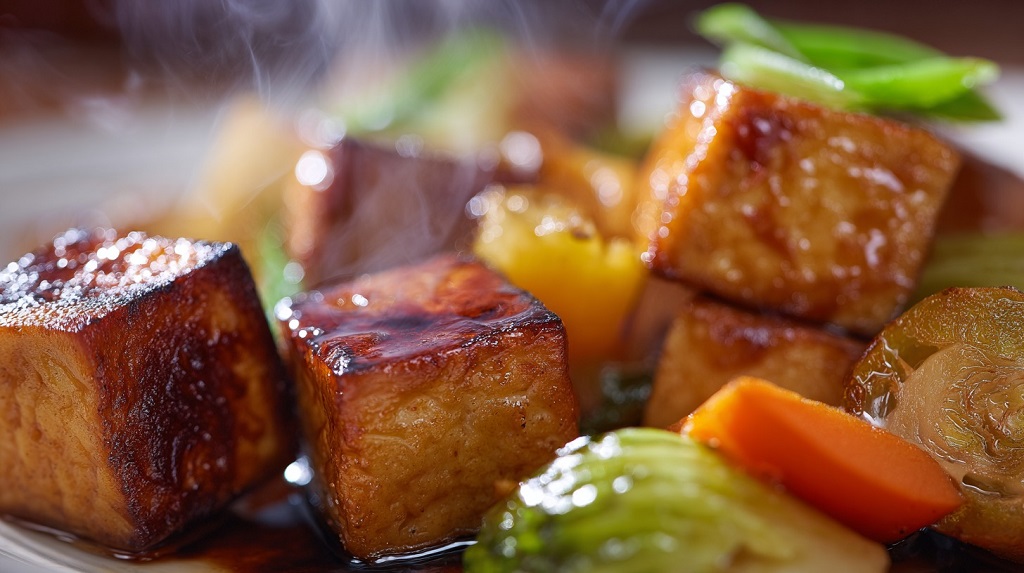
Firm tofu prepared with calcium sulfate carries about 19.88 g protein per cup.
Build:
- Pressed tofu cubes, pan-seared or air-fried
- Broccoli, snap peas, mushrooms
- Rice, noodles, or edamame-forward mixes
- Soy sauce, ginger, garlic, vinegar, chili, small honey drizzle
Macro tip: doubling tofu clears 35 g protein without meat.
6. “Protein Alfredo” With Cottage Cheese
Blend cottage cheese with garlic, lemon, parmesan, and pasta water for a creamy base.
Cottage cheese offers 31.05 g protein per cup.
Macro structure:
- Smaller pasta portion
- Add chicken or shrimp if needed
- Mix in spinach, peas, mushrooms, or broccoli
7. Big Salad That Eats Like Dinner
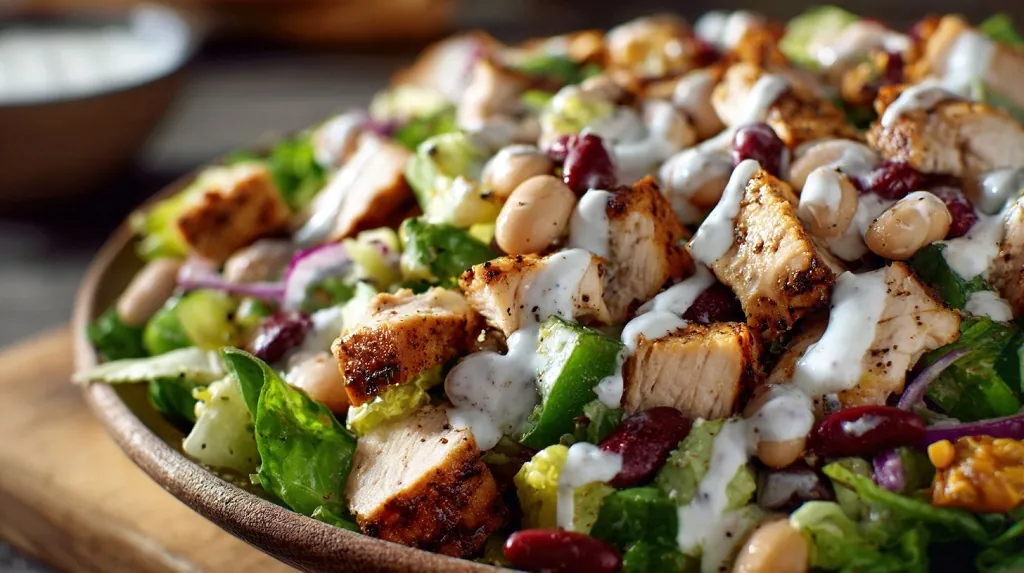
Build salads as bowls with a protein anchor.
Build:
- Chopped chicken breast
- Chickpeas or black beans
- Crunch vegetables
- Yogurt-based dressing
Chicken breast at 1 cup chopped lists 43.43 g protein.
8. Egg-Based Dinners
Eggs serve well for fast dinners when paired with extra whites or cottage cheese.
A hard-boiled egg lists 6.29 g protein.
Build:
- 2 whole eggs plus whites
- Cottage cheese side to push totals past 30 g
- Potatoes, beans, or toast based on carb targets
9. One-Pot High-Protein Soup
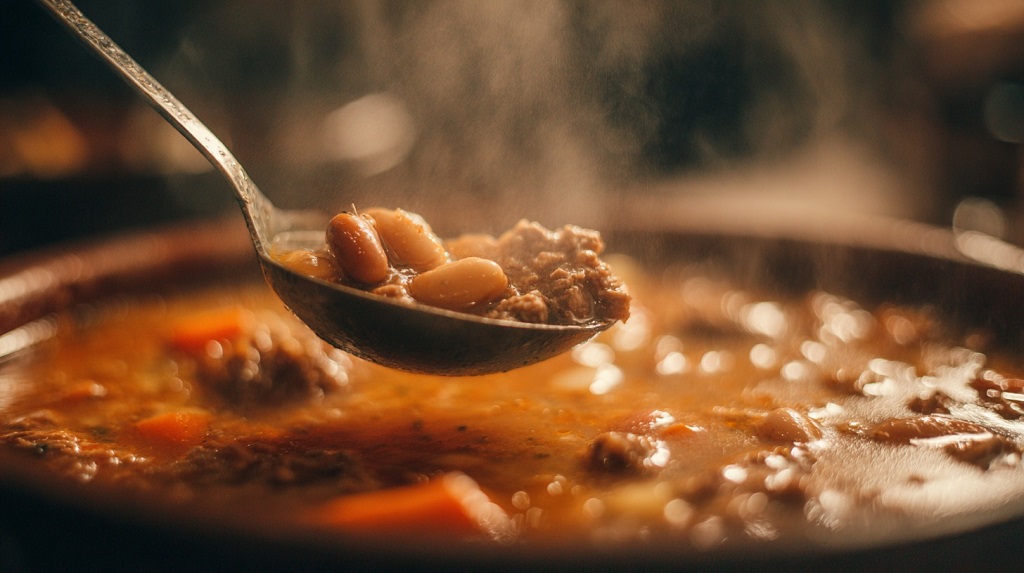
URMC’s stuffed cabbage soup recipe lists 12 g protein per serving as written.
Macro upgrades:
- Increase lean meat portions
- Add beans or lentils
- Stir in yogurt at the end
10. 20-Minute High-Protein Dinners
EatingWell’s 20-minute high-protein dinner collections highlight chicken, fish, chickpeas, and similar staples.
Shortcuts:
- Rotisserie chicken
- Bagged salads plus added protein
- Frozen vegetables
- Microwave rice, canned beans, and a protein anchor
Whole-Food Protein Boosters
Add-ons fix meals that fall short:
- 1 cup yogurt in sauces or marinades
- Half-cup beans or lentils
- Extra tofu in soups or stir-fries
- 1 to 2 eggs
Simple 30 g Protein Dinner Math
Anchor plus booster examples:
- 1 cup cottage cheese = 31.05 g protein
- 1 cup lentils = 17.86 g plus 2 eggs = about 12.58 g, total near 30 g
Why Whole-Food Protein Works Well At Dinner
Protein supports immune function, tissue repair, enzymes, and hormone production. It also increases meal fullness compared with carb-heavy plates, which explains why dinners built around a solid protein anchor often prevent late-night grazing.
Harvard’s nutrition guidance emphasizes the idea of the “protein package,” meaning what arrives with the protein matters. Fat quality, sodium, fiber, and micronutrients influence health outcomes as much as the protein gram count.
Whole-food dinners also solve adherence. A scoop can raise numbers, but a plate of food can become routine. Long-term habits depend on meals that feel normal and repeatable.
How Much Protein Should A High-Protein Dinner Aim For
Protein targets at dinner shape satiety, muscle support, and daily macro balance, so a clear per-meal range makes planning simple and repeatable.
The Baseline Numbers People Quote Most
For adults, the Recommended Dietary Allowance sits at 0.8 g of protein per kilogram of body weight per day. That value is often described as a minimum intake that meets basic needs for most healthy adults.
Another official framework is the Acceptable Macronutrient Distribution Range, which places protein at 10% to 35% of total daily calories.
Recent news coverage reports that the 2025 to 2030 U.S. Dietary Guidelines raised suggested protein intake into a 1.2 g to 1.6 g per kilogram range. Whether or not that framework fits personal goals, it explains the surge of “higher protein” messaging.
Practical Per-Dinner Target
A workable dinner target falls between 25 g and 40 g of protein in the main meal.
That range fits common per-meal research discussions that often reference 20 g to 30 g for muscle protein synthesis in adults, with higher needs for larger, older, or very active individuals.
Smaller adults often feel satisfied near 25 g. Larger or more active adults usually land closer to 35 g to 45 g.
Safety And Common Sense
People with kidney disease or medical conditions that require protein restriction should follow clinician’s guidance. High protein within AMDR ranges appears widely in nutrition literature, yet needs vary with age, activity, and health status.
High-protein dinners built from whole foods keep nutrition grounded in real meals rather than scoops and sachets. A consistent anchor protein, vegetables for volume, and intentional carb and fat choices create dinners that feel normal, repeatable, and effective.

I’m Leo McIntyre, and my love for cooking was born in my grandmother’s kitchen, where I discovered the magic of traditional Southern recipes. Inspired by her passion and the flavors of my childhood, I started SouthernParm to share these treasured family dishes and keep the rich culinary traditions of the South alive for everyone to enjoy.