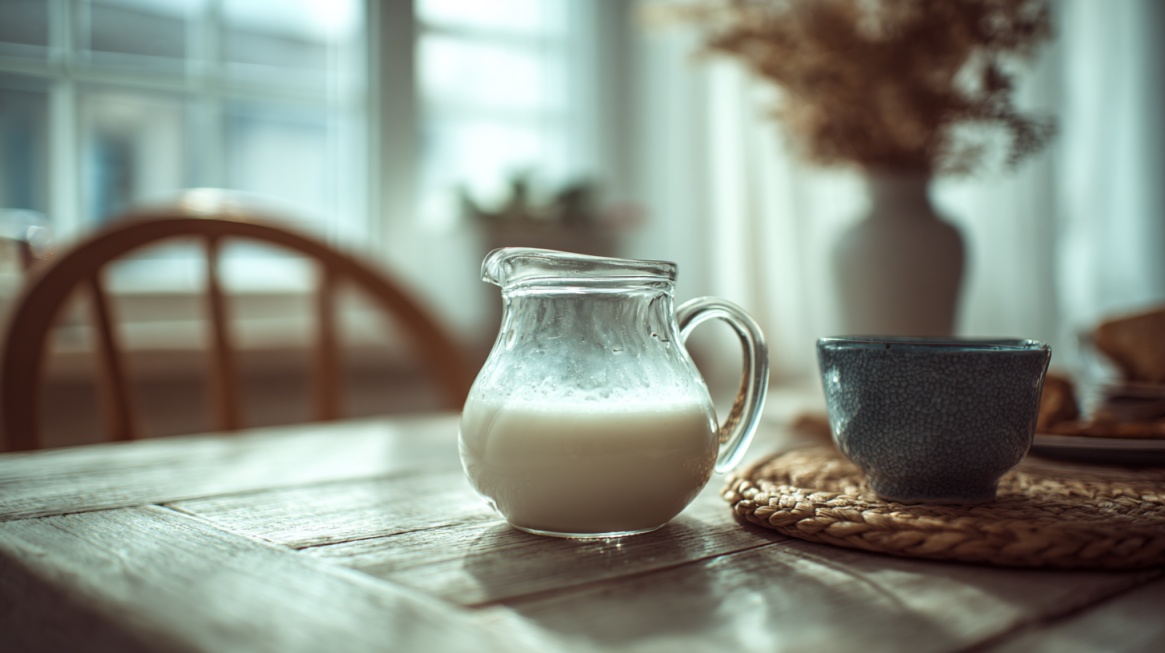
Buttermilk refers to a dairy product known for its tangy flavor and slightly thick texture. Traditional buttermilk was the liquid left after churning butter. Modern buttermilk is cultured low-fat milk that contains lactic acid, which gives it both thickness and a distinct tang.
In baking, buttermilk plays several important roles. Tangy flavor enhances the overall taste of baked goods. Acidic content helps create a soft and tender crumb. The reaction between its acidity and baking soda produces lift, leading to light and airy textures.
Many home bakers face a common issue. Buttermilk is not always available in the refrigerator due to its short shelf life and limited everyday use.
Reliable substitutes offer a practical solution. Tested combinations used by baking professionals and widely accepted methods can deliver consistent results without sacrificing quality.
1. Milk + Lemon Juice or Vinegar (Most Recommended Overall)
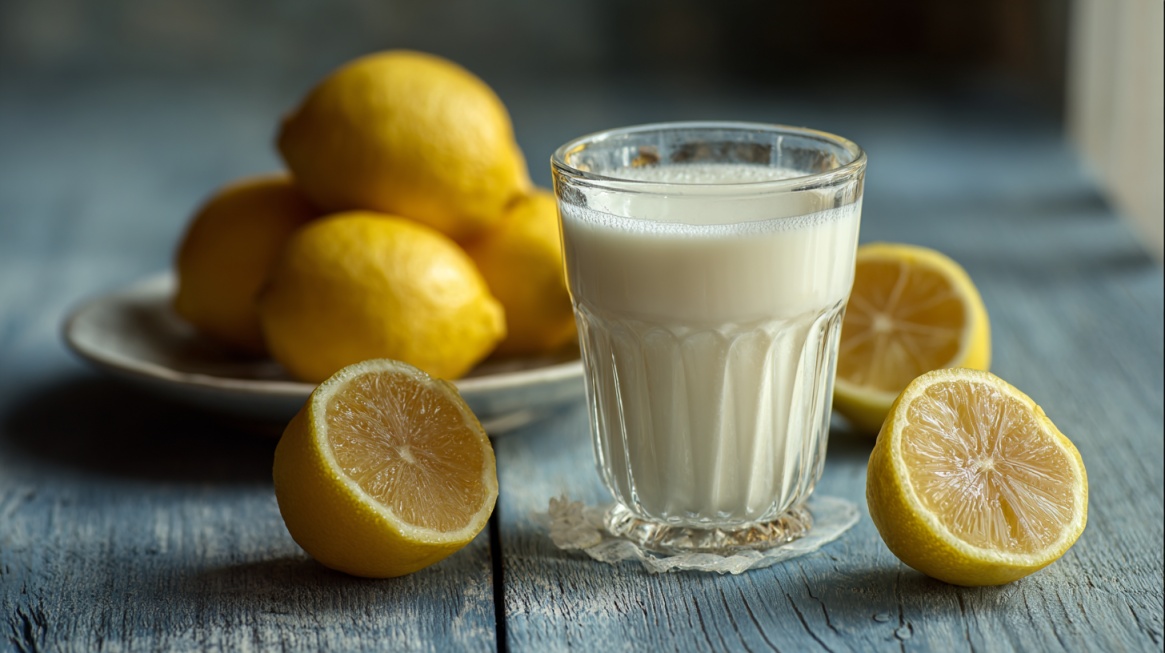
Milk combined with an acid remains one of the most practical and widely used substitutes. Simple preparation and easy-to-find ingredients make it a reliable option in most kitchens.
Basic preparation follows a consistent formula:
| Ingredient | Amount | Purpose |
|---|---|---|
| Milk | 1 cup (whole or 2%) | Provides the base for the mixture |
| Lemon juice or white vinegar | 1 tablespoon | Acidifies the milk to create a buttermilk-like effect |
After mixing, allow the liquid to sit for 5 to 10 minutes. During that time, proteins in the milk begin to react with the acid, causing slight curdling. Texture becomes lightly thickened, which helps mimic the consistency of buttermilk.
The type of milk can influence the outcome. Higher-fat options create a closer match in texture and flavor, while lower-fat milk produces a thinner result.
- Lemon juice adds a light citrus note
- White vinegar keeps the flavor neutral
- Apple cider vinegar introduces a mild fruity tone
Acidity plays a direct role in baking chemistry. Reaction with baking soda produces carbon dioxide, which creates air pockets in batter and leads to a lighter structure. Pancakes, muffins, biscuits, and quick breads respond especially well to this reaction.
Timing also matters. Allowing the mixture to rest fully ensures proper curdling, which improves performance in recipes.
Some limitations remain. Texture is thinner than cultured buttermilk, and fat content is typically lower. Results may feel slightly less creamy, though rise and structure remain dependable.
2. Milk + Cream of Tartar (Best for Controlled Baking Results)
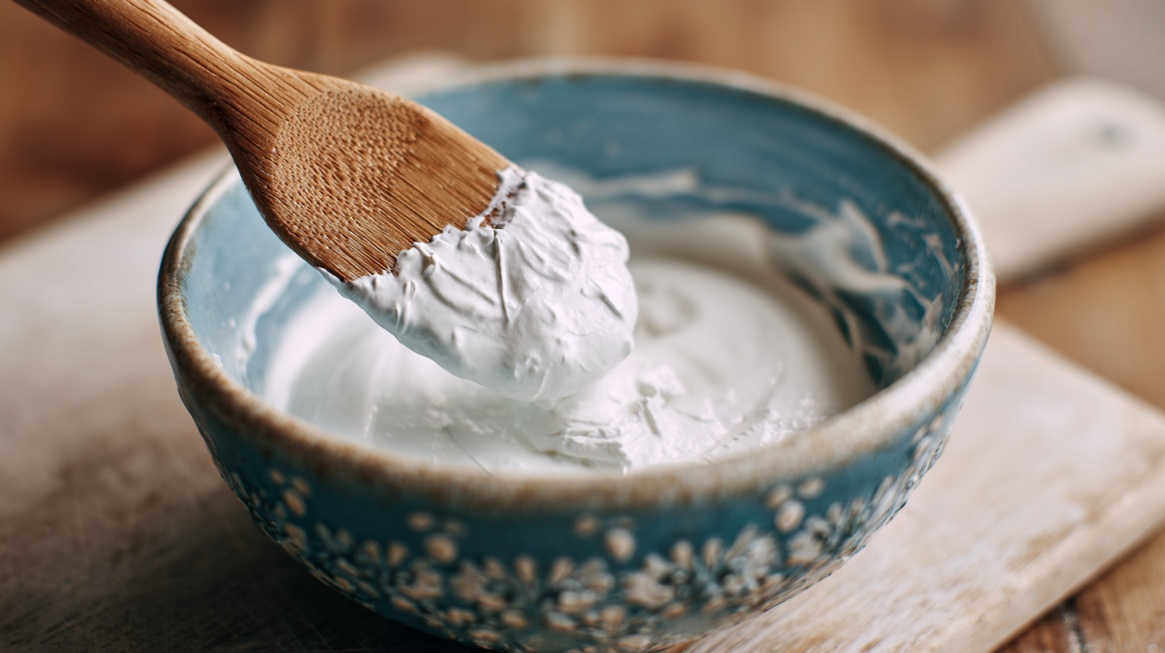
Milk paired with cream of tartar offers a more controlled way to introduce acidity. Precision in measurement makes this option especially useful in recipes where structure must remain consistent.
Standard ratio ensures proper balance:
| Ingredient | Amount | Purpose |
|---|---|---|
| Milk | 1 cup | Serves as the liquid base |
| Cream of tartar | 1¾ teaspoons | Provides acidity to mimic buttermilk |
To prevent clumping, cream of tartar should be incorporated into dry ingredients before adding milk. Direct contact with liquid can create small lumps that do not dissolve easily.
Even distribution of acidity supports consistent leavening. Batter rises evenly, which helps maintain a uniform crumb. Cakes, cupcakes, and other delicate baked goods benefit most.
Another advantage comes from preserving liquid proportions. No need to remove or adjust any liquid keeps batter consistency stable.
- Reliable rise in structured recipes
- Smooth crumb without uneven pockets
- Better control over final texture
One drawback involves availability. Cream of tartar is not always stocked in every kitchen, which can limit its convenience.
3. Yogurt + Water or Milk (Closest Texture Match)
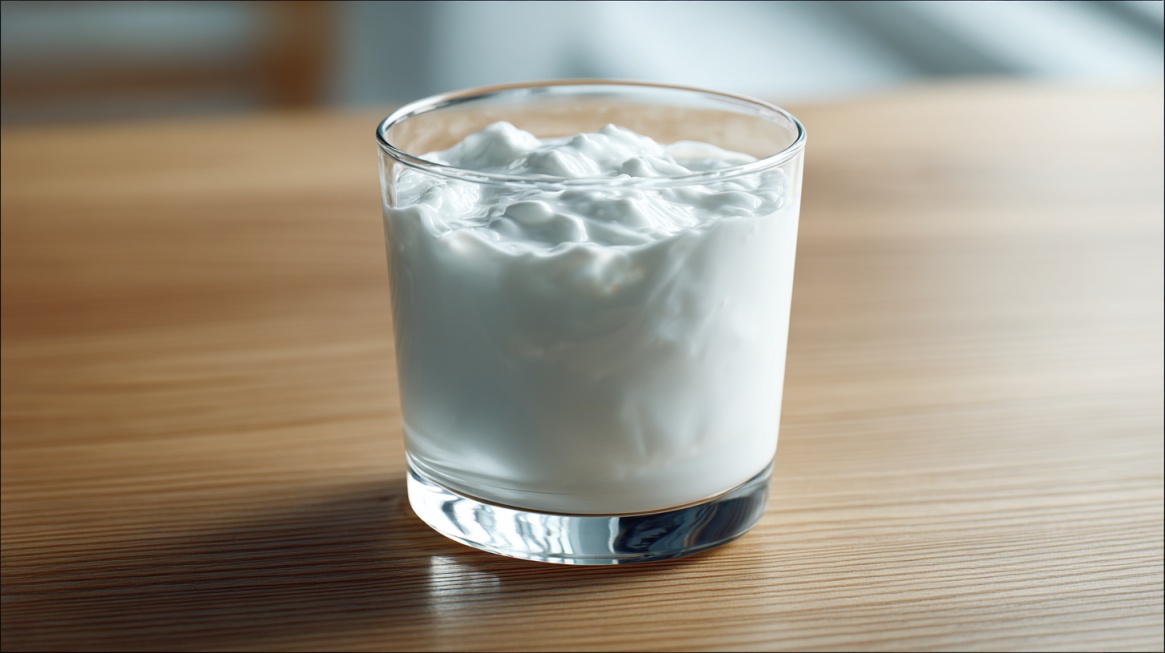
Yogurt offers one of the closest matches in both texture and acidity. Natural fermentation produces lactic acid, which closely mirrors the properties of buttermilk.
Preparation requires thinning to achieve the correct consistency. Texture should be smooth and pourable, similar to heavy cream.
Adjustment depends on the type of yogurt used:
| Type of Yogurt | Adjustment Needed |
|---|---|
| Regular plain yogurt | Requires only a small amount of liquid for proper consistency |
| Greek yogurt | Needs more thinning due to its thicker, denser texture |
Proper mixing ensures a smooth consistency. Any lumps should be fully blended to avoid uneven distribution in the batter.
Performance in baking stands out. Moisture retention improves significantly, leading to soft and tender results. Cakes, muffins, and quick breads often benefit the most.
- Enhanced moisture retention
- Tender crumb structure
- Stable rise due to natural acidity
Flavor tends to be slightly more tangy than buttermilk. After baking, that difference becomes subtle and blends into the overall taste profile.
Plain yogurt is essential. Flavored or sweetened versions can disrupt both flavor balance and texture.
4. Sour Cream + Water or Milk (Richest and Most Moist Option)
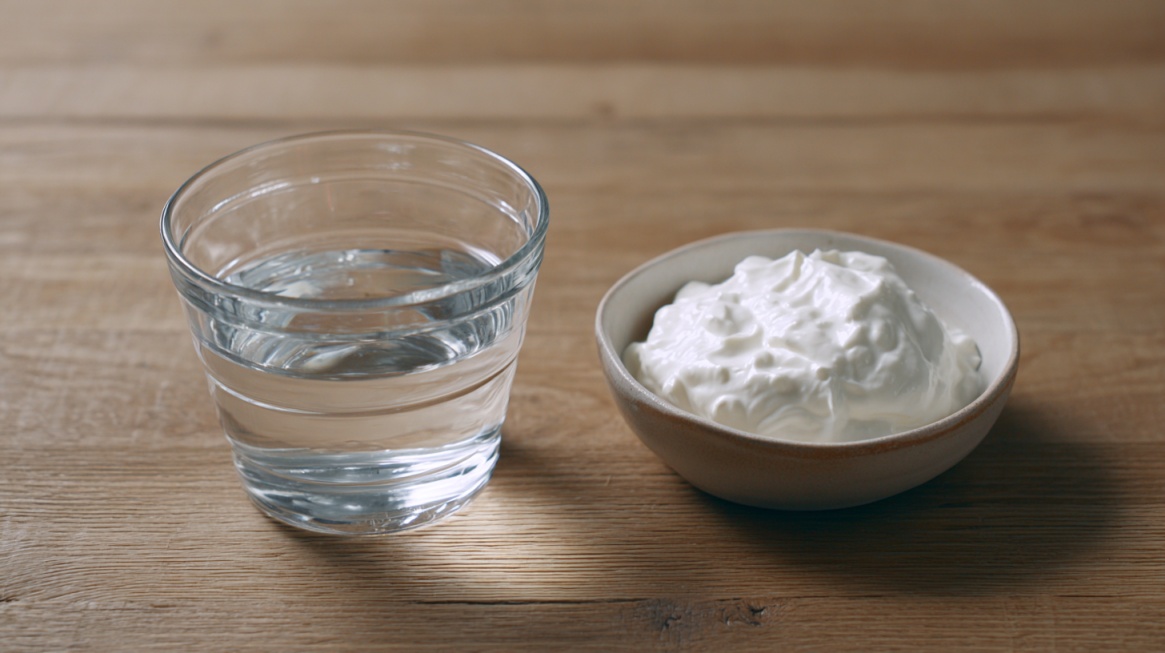
Sour cream provides a thicker and higher-fat alternative that enhances both moisture and texture. Proper thinning is necessary to match buttermilk consistency.
Preparation involves gradual mixing with water or milk until a smooth, pourable texture forms. Consistency should not be overly thick or overly thin.
High fat content changes how baked goods develop during baking.
- Softer crumb structure
- Increased moisture retention
- Slightly denser texture
Fat content also slows moisture loss during baking, which helps maintain softness even after cooling.
Cakes, biscuits, and muffins respond especially well. Finished products often feel more indulgent due to the added fat.
Structural differences can appear due to higher fat levels. Crumb may be slightly heavier compared to traditional buttermilk-based recipes.
Best use cases include recipes where extra moisture and softness are desired without compromising flavor balance.
5. Kefir (Best Direct 1:1 Substitute)
Kefir offers one of the simplest and most effective substitutions. No preparation is required, which makes it highly convenient.
Replacement follows a direct ratio: Use equal amounts of kefir in place of buttermilk
Fermented composition gives kefir a similar acidity level, along with a comparable tangy flavor. Texture is naturally pourable and slightly thick, closely matching cultured buttermilk.
Consistency and acidity make it highly reliable in baking. Results often mirror those achieved with traditional buttermilk.
- No mixing or preparation needed
- Balanced acidity for proper leavening
- Texture very close to buttermilk
Cakes, pancakes, waffles, and breads all benefit from its properties. Final products maintain good rise, soft crumb, and balanced flavor.
Availability may vary. Some grocery stores carry kefir regularly, while others may not stock it at all, depending on location.
What Makes a Good Buttermilk Substitute?
Successful substitution depends on replicating several key properties. Each factor plays a role in how baked goods turn out.
Acidity remains the most important element. Proper acid levels ensure baking soda activates correctly, which directly impacts rise and texture.
- Proper lift in cakes and quick breads
- Lighter crumb structure
- Prevention of dense or flat results
Consistency also affects performance. Ideal texture should be slightly thick yet still pourable, similar to heavy cream.
Flavor must stay balanced. Mild tang supports the recipe without overpowering other ingredients.
View this post on Instagram
A standard measurement rule helps maintain accuracy. One cup of buttermilk can be recreated using:
| Step | Instruction |
|---|---|
| Start with milk | Measure 1 cup of milk |
| Adjust quantity | Remove 1 tablespoon of milk |
| Add acid | Add 1 tablespoon of lemon juice or vinegar |
Texture differences can still appear. Cultured buttermilk is naturally thicker than milk mixed with acid, which can lead to small variations in final results.
Careful attention to these factors ensures substitutes perform well across a wide range of baking recipes.
Summary
Effective buttermilk substitutes rely on proper acidity to support baking reactions.
Most recipes remain forgiving when correct ratios are used.
Simple ingredients already in many kitchens can produce results similar to store-bought buttermilk.

I’m Leo McIntyre, and my love for cooking was born in my grandmother’s kitchen, where I discovered the magic of traditional Southern recipes. Inspired by her passion and the flavors of my childhood, I started SouthernParm to share these treasured family dishes and keep the rich culinary traditions of the South alive for everyone to enjoy.