Protein powder has become the default answer for anyone trying to eat more protein, but plenty of people do not want tubs, scoops, shaker bottles, or ultra-processed snack bars built around isolates. Some dislike the taste. Some get stomach issues. Some simply want real food.
A whole-food approach can work very well. For most healthy adults, the recommended dietary allowance for protein is 0.8 g per kilogram of body weight per day, while people who train regularly often benefit from higher intakes, commonly around 1.4 to 2.0 g per kilogram per day.
Research also suggests that spreading protein across the day in moderate doses can support muscle protein synthesis more effectively than cramming most of it into one meal.
That matters because snacks are often where a day goes off track. Many grab-and-go options are heavy on refined carbs and light on protein.
Fixing that does not require supplements. It usually requires better choices, smarter prep, and a clearer idea of what “high protein” actually looks like on a plate.
Best Whole-Food High Protein Snacks At a Glance
Protein numbers below are approximate and can vary by brand, fat level, cooking method, and serving size.
USDA FoodData Central is one of the best references for checking food composition when you want a realistic estimate.
| Snack | Typical Serving | Approx. Protein |
| Greek yogurt, plain | 1 cup | 17 to 20 g |
| Cottage cheese | 1 cup | 24 to 28 g |
| Hard-boiled eggs | 2 large eggs | 12 to 13 g |
| Edamame | 1 cup shelled | 18 g |
| Tuna pouch | 1 pouch | 15 to 20 g |
| Jerky or biltong | 1 oz | 9 to 15 g |
| Deli turkey, rolled | 3 oz | 15 to 18 g |
| String cheese + milk | 2 sticks + 1 cup milk | 15 to 17 g |
| Roasted chickpeas | 1 cup | about 14 g |
| Tofu cubes | 3 to 4 oz | 9 to 15 g |
| Skyr or strained yogurt | 1 container | 15 to 17 g |
| Canned salmon on crackers | 3 oz salmon | 17 to 19 g |
A table like that helps clear up a common misconception. You do not need a powder-based product to get a meaningful amount of protein from a snack.
You often need one dairy item, one soy food, one egg-based choice, or one fish or meat option paired with produce or grains.
Dairy Snacks That Deliver Serious Protein
Dairy remains one of the easiest ways to build high-protein snacks without much prep. It is widely available, portable in many forms, and naturally rich in high-quality protein.
Greek Yogurt
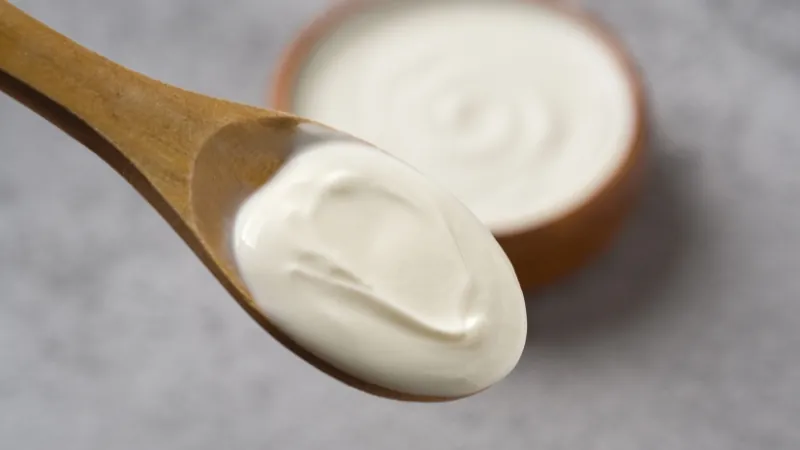
Plain Greek yogurt is popular for a reason. Straining removes some liquid whey, which leaves a thicker product with more protein per spoonful than regular yogurt. Depending on brand and fat level, a single serving can land close to 15 to 20 g of protein.
Greek yogurt is also among protein-rich dairy foods, and Harvard’s Nutrition Source includes yogurt among major protein contributors in everyday diets.
- plain with berries and chopped walnuts
- with cinnamon and sliced pear
- savory, with cucumber, dill, and black pepper
- mixed with chia seeds for extra staying power
Best move: choose plain versions first, then add your own fruit or seasoning. Many flavored cups pile on sugar fast.
Cottage Cheese
Cottage cheese might be the most underrated protein snack in any grocery store. A cup can easily provide more than 24 g of protein, depending on the product.
For someone trying to eat more protein without relying on supplements, few refrigerated options are as efficient.
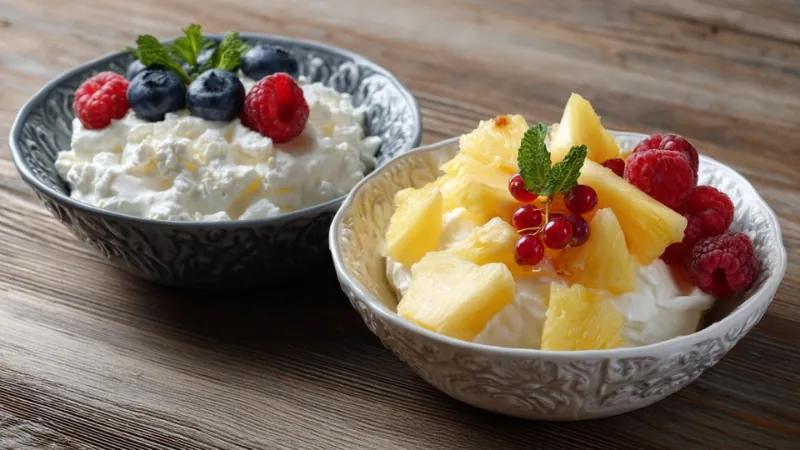
Easy pairings include pineapple, tomatoes, cucumbers, peaches, everything seasoning, or a drizzle of olive oil and cracked pepper. It also works as a base for a quick savory bowl with cherry tomatoes and herbs.
Skyr and Other Strained Yogurts
Icelandic skyr is often similar to Greek yogurt in protein density and texture. Many single-serve cups land in the mid-teens for grams of protein. For busy schedules, that makes skyr one of the simplest no-cook snacks available.
Egg-Based Snacks That Work Beyond Breakfast
Eggs remain one of the most practical protein foods in any kitchen. They are affordable, easy to batch-cook, and useful in several snack formats.
Hard-Boiled Eggs
Two hard-boiled eggs give roughly 12 to 13 g of protein and travel well in a lunch bag or small container. Eggs also bring choline and other nutrients, which adds nutritional value beyond protein alone.
- 2 eggs with grape tomatoes
- 2 eggs with a piece of fruit
- 2 eggs with whole-grain crackers
- chopped eggs on toast triangles
That small addition improves satisfaction and makes the snack feel more complete.
Egg Salad Cups
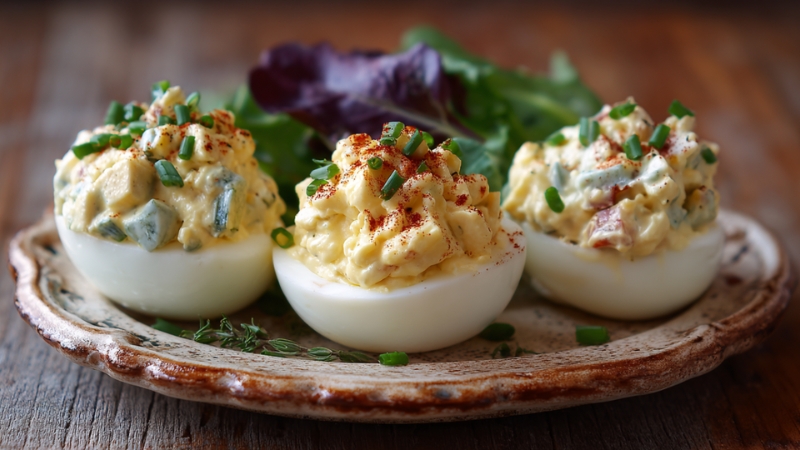
Homemade egg salad can be a stronger option than many packaged snack kits, provided you keep the ingredient list straightforward.
Greek yogurt can replace part of the mayo, which keeps the texture creamy while nudging the protein content up further. Spoon it into lettuce cups, cucumber boats, or mini bell peppers for an easy, high-protein bite.
Seafood Snacks That Are Better Than People Assume
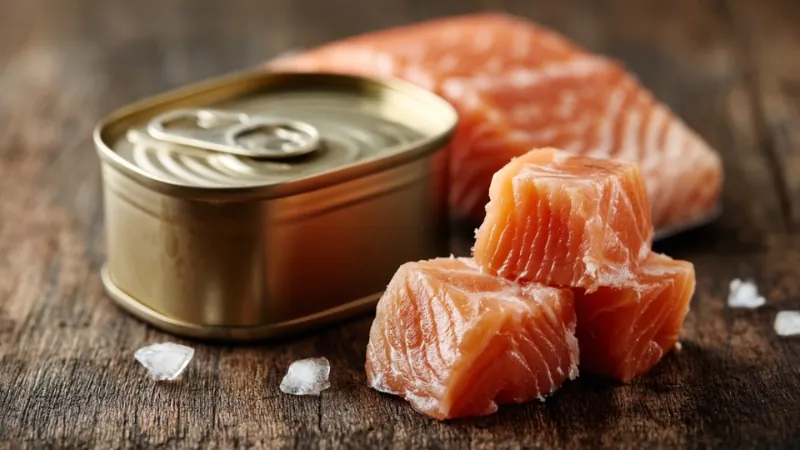
Seafood gets boxed into lunch or dinner far too often. In snack form, it can be one of the most protein-dense categories in the entire kitchen.
Tuna Pouches
Single-serve tuna pouches are almost built for snack duty. They are shelf-stable, compact, and often deliver around 15 to 20 g of protein per pouch.
Pair one with whole-grain crackers, sliced cucumbers, or a small apple, and you have a snack with real staying power.
A useful tip here: look at sodium if you eat packaged tuna often. Protein content may be great, but seasoning packets can push sodium much higher than expected.
Canned Salmon
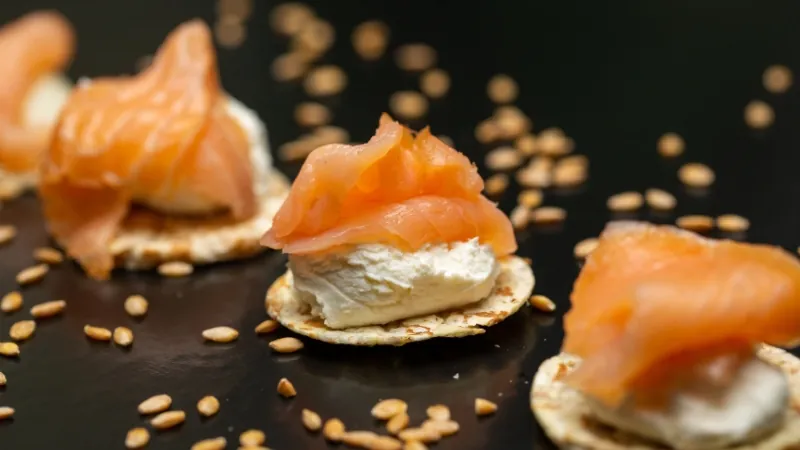
Canned salmon is another strong option, with roughly 17 to 19 g of protein in a 3-oz portion. It also brings omega-3 fats, which makes it attractive for readers who want a snack that contributes more than one nutritional selling point.
Naturally, fish is always among the stronger protein sources for a healthy eating pattern.
- salmon on seeded crackers
- salmon mixed with plain yogurt and mustard
- salmon with celery sticks
- salmon and cucumber bites
Meat Snacks, With a Few Caveats
Meat-based snacks can work well, though quality varies a lot.
Jerky and Biltong
Jerky is a classic high-protein snack because it is portable, shelf-stable, and compact. A small serving often gives around 9 to 15 g of protein, depending on brand and moisture level. Biltong can be similar.
- sodium can be very high
- some versions include significant added sugar
- portion size is easy to underestimate
Jerky makes the most sense when you want convenience and have limited refrigeration, not as the only protein snack you ever eat.
Turkey Roll-Ups
A few slices of deli turkey wrapped around cheese, cucumber spears, or avocado can create a fast snack with 15 g or more of protein. Pick lower-sodium, less processed options where possible.
Harvard’s Nutrition Source recommends leaning more often on fish, poultry, beans, and nuts while limiting processed meats.
Plant-Based High Protein Snacks Without Powder
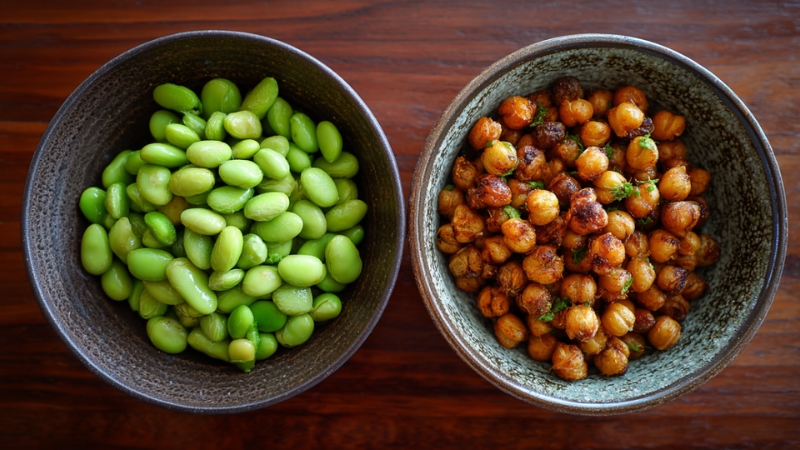
A lot of people hear “high protein” and think animal foods first. That overlooks several strong plant-based options.
Edamame
Edamame is one of the best plant-based snack proteins available. A cup of shelled edamame can provide roughly 18 g of protein, plus fiber, which makes it particularly filling.
Legumes and soy foods are generally very useful protein choices in healthy dietary patterns.
- high protein for a plant food
- good fiber content
- freezer-friendly
- easy to season with salt, chili flakes, garlic, or lemon
Microwave, season, eat. Very little effort is required.
Roasted Chickpeas
Roasted chickpeas are not as protein-dense as edamame, but they are still useful and far better than many crunchy snack foods. They add fiber, texture, and a solid bump in protein compared with chips or pretzels.
Best use case: treat them as part of a protein snack rather than the entire snack. Pair them with yogurt dip, cheese, or soy nuts for a stronger protein total.
Tofu Cubes
View this post on Instagram
Firm tofu can be pressed, baked, and turned into excellent snackable cubes. Protein content depends on firmness and brand, but a modest serving can still give roughly 9 to 15 g.
Soy remains one of the most useful plant proteins because it offers a strong amino acid profile compared with many other plant foods.
- baked tofu cubes
- soy sauce or tamari
- sesame seeds
- cucumber or carrots on the side
Soy Nuts and Roasted Soybeans
Crunchy roasted soybeans are among the rare snack foods that can genuinely compete with packaged “fitness snacks” on protein.
They are portable, shelf-stable, and usually stronger in protein than mixed nuts alone. Again, portion control matters because calories can climb quickly.
Cheese, Milk, And Simple Combo Snacks
High-protein snacking does not always need a recipe. Sometimes the smartest move is pairing two or three basic foods.
- 2 string cheeses and an apple
- milk and a banana
- cheese cubes and grapes
- cottage cheese and berries
- Greek yogurt and pumpkin seeds
- skyr and walnuts
- crackers, cheese, and turkey
Combos matter because few people snack in a vacuum. Real life calls for convenience. Pairing protein with fruit, vegetables, or whole grains often gives better staying power than protein alone, while also making the snack more enjoyable.
Good High-Protein Snacks For Different Goals
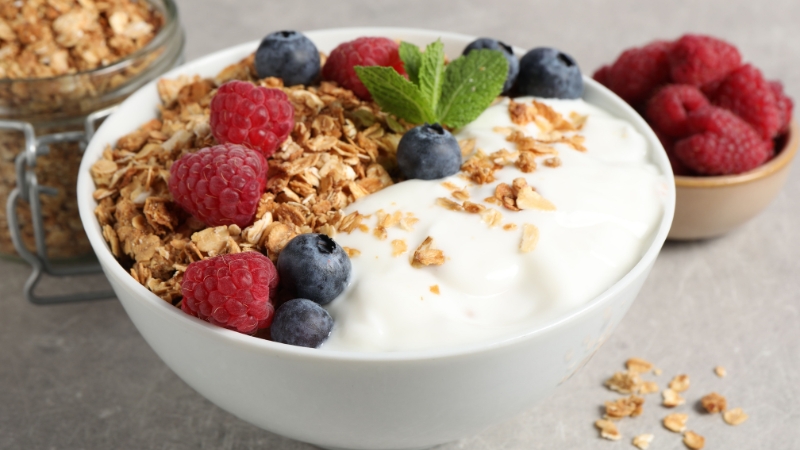
People use protein snacks for different reasons. A good choice for one goal may not be ideal for another.
For Muscle Gain or Training Recovery
Look for roughly 15 to 30 g of protein with a carb source nearby, especially after training.
Sports nutrition guidance suggests that moderate protein doses distributed every few hours are a useful pattern for active people.
Good options:
- Greek yogurt with fruit
- cottage cheese with pineapple
- tuna and crackers
- milk and a turkey sandwich half
- edamame with rice crackers
For Weight Management
Satiety matters more here. Protein helps, and fiber helps too. Evidence reviews have repeatedly found that higher-protein eating patterns can support fullness and may reduce later energy intake.
Good options:
- cottage cheese with cucumber
- skyr with berries
- hard-boiled eggs and carrots
- edamame with sea salt
- plain Greek yogurt with chia seeds
For Busy Workdays or Travel
Shelf stability and portability matter most.
Good options:
- tuna pouch
- jerky
- roasted soybeans
- roasted chickpeas
- cheese crisps, if ingredients are straightforward
- shelf-stable milk cartons
Common Mistakes People Make With “High Protein” Snacks
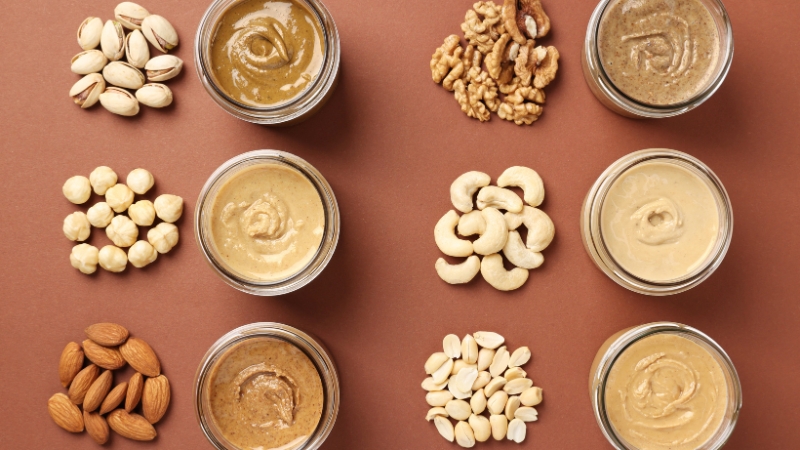
Even with good intentions, many people end up choosing “high protein” snacks that look healthy on the label but miss the mark in terms of nutrition, portion size, or overall balance.
Mistaking Marketing For Nutrition
A label that says “protein” can still hide a weak product. Many bars and snack packs lean on one protein buzzword while loading up on sugar, syrups, or saturated fat. Food labels are worth reading.
The FDA Daily Value for protein on food labels is 50 g per day, which gives a quick reference point for packaged foods, though personal needs can be higher or lower depending on body size and activity.
Ignoring Portion Size
Nuts, nut butters, seeds, and cheese all contribute protein, but some people assume they are far higher than they really are.
Almonds, for example, provide useful protein, but they are more of a fat-and-protein food than a pure protein source. Great ingredient, less efficient protein vehicle than yogurt, cottage cheese, eggs, fish, or edamame.
Treating Every Snack Like a Meal Replacement
A snack is still a snack. If every between-meal bite turns into 600 calories of trail mix, cheese, jerky, and crackers, the protein goal may be fine while the bigger dietary picture starts slipping.
How To Build a Better Protein Snack Without Overthinking It
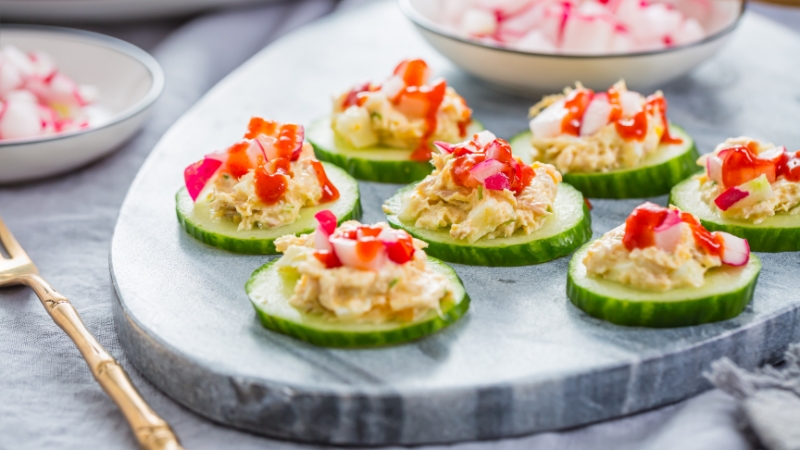
A simple template usually works:
Option 1: One Main Protein + Produce
Examples:
- Greek yogurt + berries
- eggs + tomatoes
- cottage cheese + peach
- tuna + cucumber slices
Option 2: One Main Protein + Crunch
Examples:
- salmon + seeded crackers
- turkey roll-ups + crackers
- tofu cubes + roasted seaweed
- cheese + crispbread
Option 3: Protein + Fiber
Examples:
- edamame
- roasted chickpeas + yogurt dip
- skyr + raspberries
- cottage cheese + chia
For many adults, aiming for around 10 to 20 g of protein in a snack is a useful, realistic range. Athletes, larger individuals, and people trying to increase total daily intake may sometimes push higher.
Baseline needs and sports nutrition targets vary, but the big picture stays the same: real food can cover a lot of ground.
A 7-Day High Protein Snack Rotation
Here is a simple week of powder-free options:
| Day | Snack | Approx. Protein |
| Monday | Greek yogurt with blueberries | 18 to 20 g |
| Tuesday | 2 hard-boiled eggs and an apple | 12 to 13 g |
| Wednesday | Cottage cheese with cucumber and pepper | 24 to 28 g |
| Thursday | Edamame with sea salt | about 18 g |
| Friday | Tuna pouch with whole-grain crackers | 15 to 20 g |
| Saturday | Turkey and cheese roll-ups | 16 to 20 g |
| Sunday | Baked tofu cubes with carrots | 10 to 15 g |
FAQs
Summary
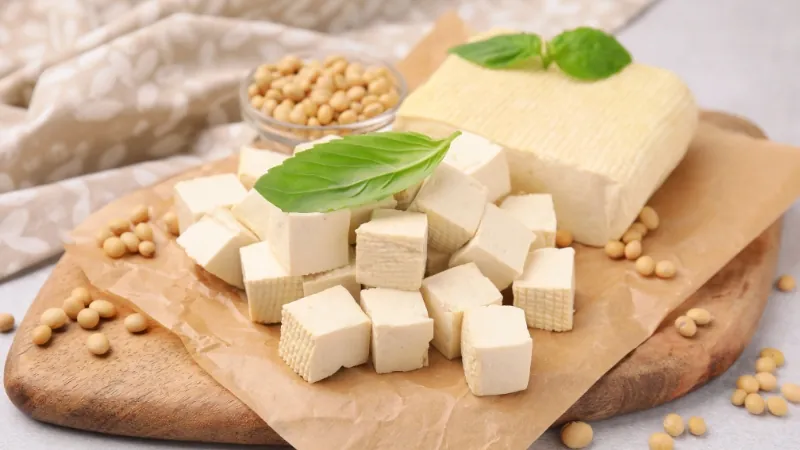
Protein powder can be useful, but it is far from necessary. Greek yogurt, cottage cheese, eggs, edamame, tuna, salmon, tofu, and a handful of simple pairings can cover a surprising amount of protein without any scoop involved.
The best snack is usually the one that matches your routine, your appetite, and your budget. Start with foods you already like, build around one strong protein source, and keep the setup simple enough that it works on a busy day.

I’m Leo McIntyre, and my love for cooking was born in my grandmother’s kitchen, where I discovered the magic of traditional Southern recipes. Inspired by her passion and the flavors of my childhood, I started SouthernParm to share these treasured family dishes and keep the rich culinary traditions of the South alive for everyone to enjoy.