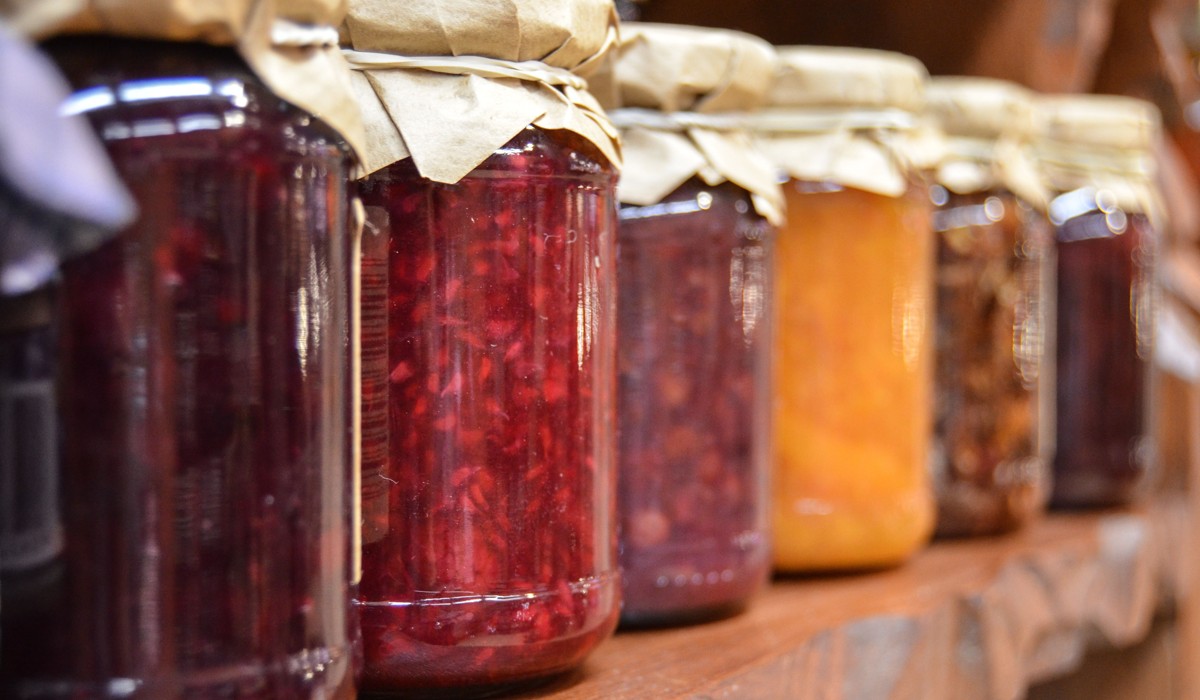
You can legally sell homemade jam in many US states without renting a commercial kitchen. Traditional fruit jams are permitted under numerous cottage food laws, although the requirements differ depending on where you live.
Before taking orders, you need to know which recipes your state allows, how the jam must be prepared, and what information belongs on the label. You also need to think about packaging. A perfectly sealed jar is no use to a customer if it arrives broken or leaking.
Here is how to prepare homemade jam for sale, meet the relevant legal requirements, and pack your products properly for customers.
Check Your State’s Cottage Food Laws First
Cottage food laws allow people to make and sell certain foods in their home kitchens. Fruit jams and jellies are commonly included because properly prepared versions can be stored without refrigeration before opening.
However, permission to sell homemade jam in one state does not mean you can follow the same rules elsewhere.
California allows approved fruit jams under its cottage food program. A Class A operator can sell directly to customers, including through online orders and mail delivery within the state. A Class B permit also allows certain sales through retailers.
Michigan has different requirements. Its cottage food rules allow qualifying homemade fruit jams without a food establishment license. Online and mail orders are permitted under specific conditions, but the products must be sold or delivered within Michigan.
Before starting, contact your state agriculture or health department and ask about the exact product you intend to make. The important questions are straightforward.
- Is your fruit jam recipe approved for home production?
- Do you need a permit, registration, inspection, or food safety course?
- How much are you allowed to sell annually?
- Can you sell through shops or only directly to customers?
- Are online orders and deliveries permitted?
- Can you ship to another state?
Check local business licensing and zoning requirements as well. A cottage food exemption does not automatically exempt you from every rule affecting a home business.
Not Every Jam Recipe Is Approved for Sale
If you have been making strawberry jam with the same family recipe for years, you may assume it is suitable for selling. Food regulations are more specific than that.
Traditional strawberry, raspberry, blackberry, and peach jams are common examples of products accepted under cottage food rules, provided their ingredients and preparation meet the applicable requirements.
Things become more complicated with unusual ingredients.
Michigan, for example, does not allow low-sugar or sugar-free jams under its cottage food exemption. Hot pepper jelly is also excluded. California similarly excludes pepper jelly from its approved cottage food products.
Adding vegetables, changing the amount of sugar, or experimenting with a recipe can change its preservation requirements. Do not assume that every spread containing fruit is safe to store at room temperature.
If you want to sell an unusual recipe, ask your state food regulator about testing and approval before producing it for customers.
Prepare Jam Using a Tested Canning Recipe
Making a few jars for your family and producing 50 jars for customers require the same attention to food safety. Every jar needs to be processed correctly.
The National Center for Home Food Preservation publishes tested instructions for making and canning jams and jellies.
For traditional fruit jams, follow a tested recipe that specifies the fruit, sugar, pectin, jar size, and processing method. Do not change the proportions without confirming that the revised recipe is suitable for safe preservation.
Use glass Mason jars designed for home canning. Inspect the rims for chips and cracks, and use new flat sealing lids with compatible bands.
Many tested jam recipes specify 1/4 inch of headspace. However, the recipe determines the correct amount, along with the boiling-water processing time. Altitude also affects processing requirements.
Simply pouring hot jam into jars and closing the lids is not a substitute for proper processing. Turning filled jars upside down is not an approved replacement either.
Once the jars have cooled according to the canning instructions, inspect the seals. A jar that has not sealed correctly should never be sold as a shelf-stable product.
What Must Appear on a Homemade Jam Label?
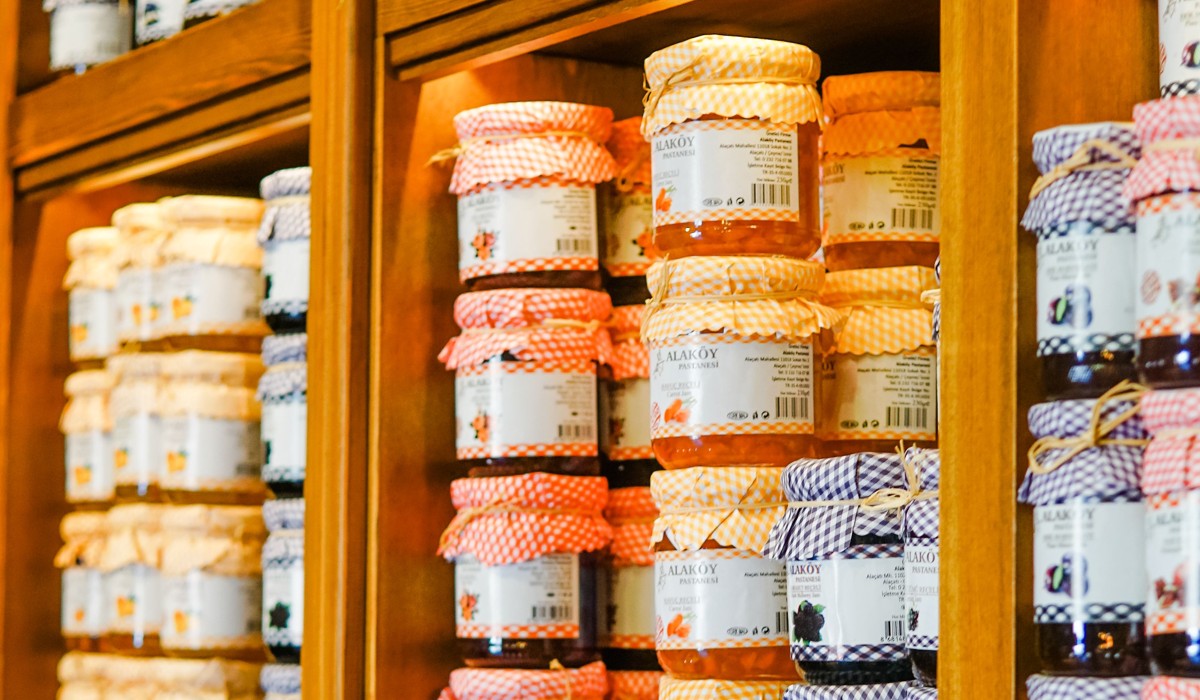
A handwritten sticker with the flavor and price is unlikely to meet all the requirements for a packaged food product.
Most cottage food labeling systems require several pieces of information, although the exact wording and placement differ by state.
- Product name. Identify the contents clearly, such as Strawberry Jam or Peach Preserves.
- Ingredients. List ingredients in descending order by weight.
- Net quantity. State how much jam is inside the jar, using the units required by your state.
- Business information. Include the required producer name, address, or approved contact details.
- Allergens. Declare major food allergens when applicable.
- Home kitchen statement. Include the exact disclosure required by your cottage food law.
For example, California requires the words “Made in a Home Kitchen” and additional information identifying the permitted or registered operation. Michigan requires a different statement explaining that the product was made in a home kitchen not inspected by the Michigan Department of Agriculture and Rural Development.
Nutrition Facts labeling may be exempted for qualifying small businesses, but eligibility depends on federal rules and the claims made on the package. Check the FDA requirements for small business nutrition labeling exemptions before deciding to leave the panel off.
Add a batch number to your packaging, even when your state does not specifically require one. A simple code linked to your production records helps identify jars made on the same day.
How to Package Homemade Jam for Selling and Shipping?
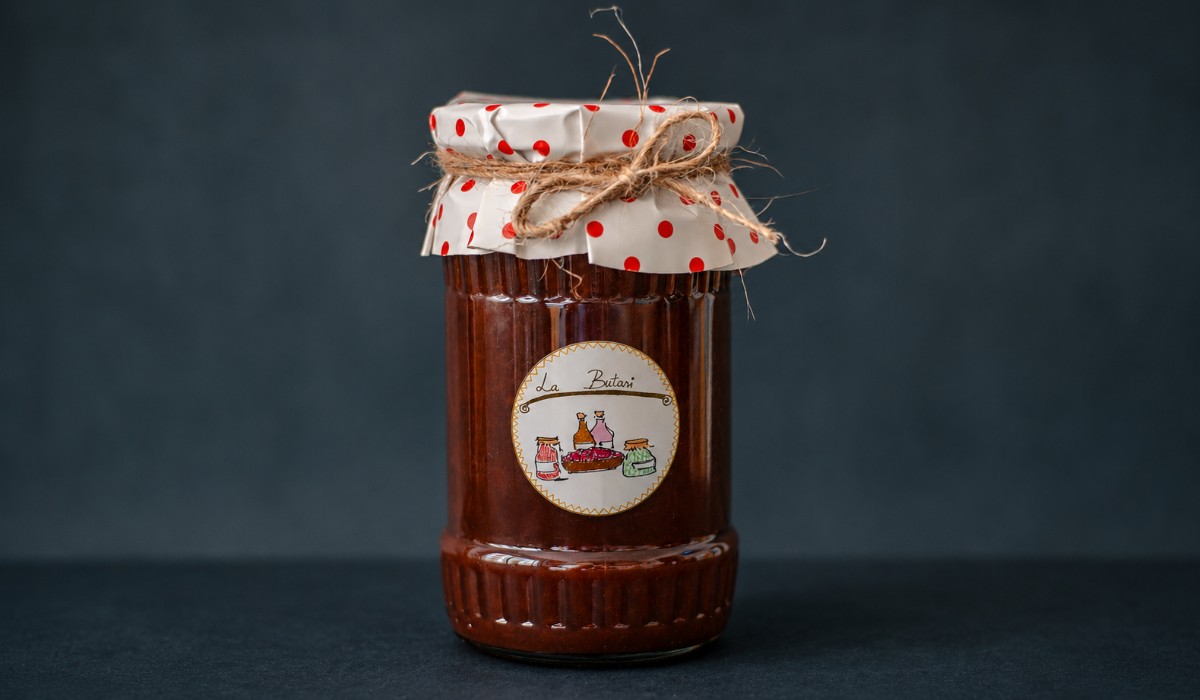
Glass jars need more protection than many new sellers expect. A lid can be sealed correctly and the product can still arrive damaged because the jars were packed too closely together.
Start with the individual jar. Let it cool completely, clean the outside, and inspect the seal. Make sure the glass is dry before applying the product label.
If you are selling at a farmers market, arrange jars in sturdy cartons or divided carriers. Avoid stacking loose jars directly on top of one another. Keep them away from direct sunlight and excessive heat during transport and display.
Shipping requires additional protection.
Pack Each Glass Jar Separately
Wrap every jar in bubble wrap or a suitable protective sleeve. Pay particular attention to the bottom and sides, which can strike other objects when a parcel is dropped.
For orders containing several jars, use cardboard dividers or fitted inserts. Two jars should never be able to hit each other inside the box.
Place the jars inside a strong corrugated cardboard box with cushioning underneath, around the sides, and above the lids.
UPS recommends at least two inches of protective cushioning around fragile contents in suitable packaging. Its packaging instructions also explain how to choose boxes and prevent items from moving during transport.
For a licensed business that has moved into commercial distribution, Dollan Prep Center offers Kitting and Fulfillment Services for assembling product bundles, applying labels, preparing custom packaging, and handling shipments.
However, moving into wholesale distribution or shipping across state lines may require a licensed commercial setup and additional regulatory compliance.
Check for Leaks and Movement Before Shipping
Place sealed jars inside suitable protective bags as an extra precaution against leakage. The bag does not replace bubble wrap or cardboard dividers.
Before sealing the shipping carton, gently move it in different directions. You should not hear jars knocking together or feel individual containers shifting inside.
Close the box with strong packing tape across the main seam and both edges. Add the shipping label to a flat surface where it will remain readable.
Pack one trial order and inspect the contents after a realistic handling and transport test. If a jar moves inside the carton or the packaging becomes crushed, change the packing materials before sending customer orders.
Include Storage Instructions
Customers also need to know how to store the jam after delivery.
For properly processed shelf-stable jam, include storage instructions appropriate to the tested recipe. Advise customers to refrigerate the product after opening.
Tell them not to consume jam if the jar arrives broken, leaking, unsealed, or showing signs of spoilage. They should contact you for a replacement or refund.
Keep a record of damaged deliveries. Repeated breakage usually means the packing method needs improvement, even if the courier is handling the parcels.
Where Can You Sell Homemade Jam?
Farmers markets are a useful starting point because customers can see the jars, ask about the flavors, and purchase directly from you.
Other potential sales channels include farm stands, community markets, seasonal fairs, and direct online orders. Each option depends on your state rules and any requirements imposed by the market organizer.
If you intend to sell through a grocery store, confirm that your food production license permits wholesale or indirect sales. A basic cottage food exemption may not be sufficient.
Online selling requires particular care. A website accepting orders nationwide does not automatically make nationwide delivery legal. Restrict checkout and shipping destinations to locations your business is authorized to serve.
For instance, California permits certain in-state cottage food deliveries by mail, and Michigan also permits qualifying online orders under its own rules. Neither example is permission to send homemade cottage food products anywhere in the country.
Keep Business Records From the First Batch
Even a small jam business benefits from a simple spreadsheet showing what was produced and sold.
Record the batch number, production date, ingredients purchased, quantity of jars made, jars sold, selling price, and any refunds or damaged products.
If one batch produces 24 jars, your records should show where those jars went. That becomes especially useful if a customer reports a damaged seal or another product problem.
Maintain separate records for business income and expenses. Check the tax registration, sales tax, and business licensing rules that apply to your location.
Finally, review your permissions before expanding your product range or sales area. Selling strawberry jam at a local farmers market and supplying cases of preserves to stores in several states can involve very different legal requirements.
Before your first sale, make a small production batch, complete the required labels, and pack a sample order. You will have a chance to catch problems with seals, jar sizes, label placement, or shipping protection before a paying customer receives the product.

I’m Leo McIntyre, and my love for cooking was born in my grandmother’s kitchen, where I discovered the magic of traditional Southern recipes. Inspired by her passion and the flavors of my childhood, I started SouthernParm to share these treasured family dishes and keep the rich culinary traditions of the South alive for everyone to enjoy.