

Coffee has surged into mainstream weight loss conversations, driven largely by viral trends on social media platforms.
Concepts such as the coffee loophole and structured plans like the coffee diet suggest that a simple cup of coffee can influence fat loss, hunger, and metabolism.
Claims often highlight additions like lemon, cinnamon, butter, or timing strategies that promise fast results. Scientific research does show measurable effects on appetite and energy use, though those effects tend to be moderate rather than dramatic.
Today, we will discuss what connects verified biological mechanisms with popular trends to clarify what coffee can and cannot do for weight management.
Science Behind Coffee and Weight Loss
Research on coffee and body weight focuses on how caffeine and naturally occurring compounds affect hunger signals, digestion, and energy use. Effects are measurable but restrained, shaped by dose, timing, and individual physiology.
Coffee interacts with multiple systems shortly after consumption. Nervous system stimulation occurs first, followed by digestive and hormonal responses that influence appetite and fullness.

Appetite Suppression
Caffeine influences hormones that regulate hunger and satiety. Serotonin activity may increase after intake, promoting a feeling of fullness, while ghrelin levels can temporarily decrease, reducing hunger cues.
Research also points to chlorogenic acid as a contributor to appetite control by influencing glucose absorption and insulin response.
- Lower hunger ratings were reported within one to three hours after drinking coffee
- Reduced calorie intake at the next meal when it contains higher chlorogenic acid levels
- Activation of bitter taste receptors in the gut that affect satiety signaling
Impact remains short lived and highly individual. Some people notice a clear reduction in appetite, while others experience minimal change or increased hunger later in the day.
Digestive Stimulation
Coffee stimulates the digestive tract by triggering colon contractions through neural and hormonal pathways. Increased gut motility often occurs within minutes, explaining the laxative effect many people experience. Fluid balance also shifts due to mild diuretic action.
- Faster bowel movements after consumption
- Temporary reduction in scale weight due to water and waste loss
- No direct reduction in body fat linked to digestive stimulation
Weight changes tied to digestion reflect short term shifts rather than meaningful fat loss.
Role of Caffeine in Metabolism
Caffeine affects metabolism primarily through nervous system activation. Alertness rises as the body enters a mildly stimulated state, leading to increased calorie burn at rest and during activity.
Energy expenditure changes are small but consistent.
- Increase of roughly 80 to 150 calories burned per day in short term studies
- Higher resting metabolic rate for several hours after consumption
- Increased fat oxidation during aerobic exercise
Long term population data supports these findings at a slower scale. Regular intake of unsweetened coffee links to slightly less weight gain across multiple years, suggesting cumulative benefits rather than rapid change.
Polyphenols and Bioactive Compounds
Coffee provides more than caffeine. Polyphenols, particularly chlorogenic acid, play a role in glucose metabolism and appetite regulation. Light roast varieties contain higher levels due to less degradation during roasting.
- Reduced blood sugar spikes after meals
- Improved insulin sensitivity over time
- Lower frequency of cravings driven by rapid glucose drops
Antioxidants in coffee also reduce low grade inflammation, supporting metabolic function and hormone signaling related to energy balance.
Trend #1: Coffee Loophole
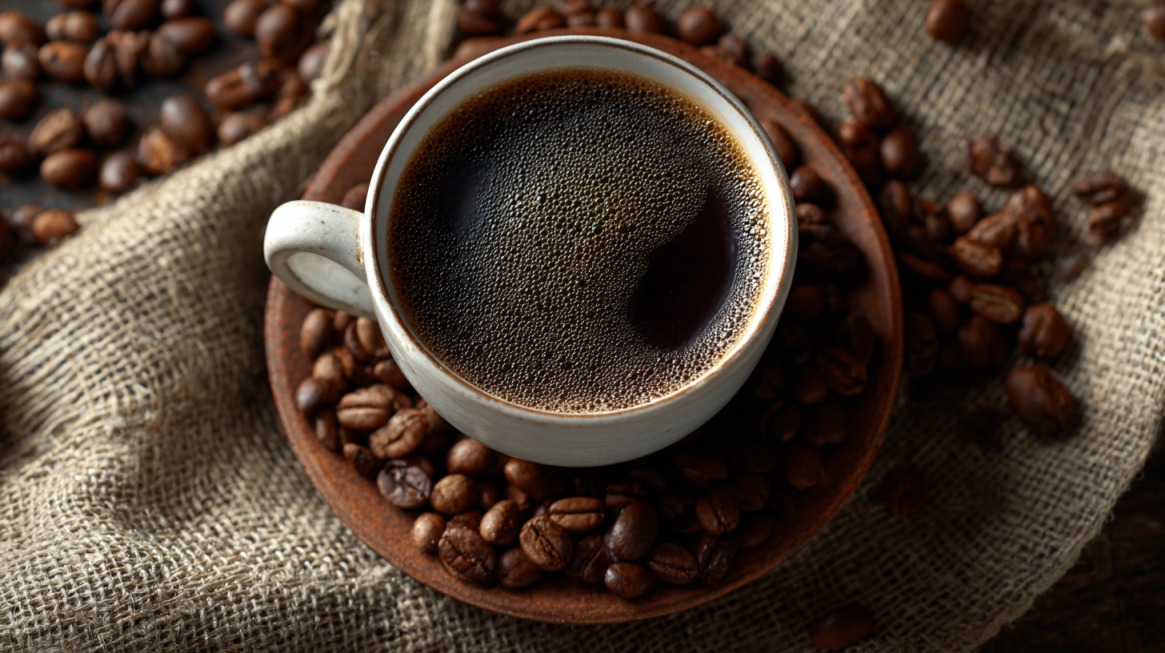
Social media trends have popularized modified coffee drinks marketed as appetite suppressants or fat-burning aids. Coffee loophole represents one of the most common examples.
Description of the Trend
The coffee loophole involves mixing black coffee with lemon juice, cinnamon, and optional honey. Supporters claim quick consumption enhances hunger suppression and metabolic effects, especially during fasting windows.
Claimed Benefits by Ingredient
Each component contributes a different physiological effect rather than acting as a single fat loss trigger.
Coffee supplies caffeine that increases energy expenditure and fat oxidation. Robusta beans often get chosen due to higher caffeine concentration. Lemon juice contributes acidity and vitamin C, which may support digestion but does not directly alter fat storage.
Cinnamon shows evidence for improved insulin sensitivity and reduced inflammation. Honey, when used sparingly, can replace refined sugar and may reduce cravings.
Preparation Method
Preparation focuses on simplicity and timing. Strong black coffee gets brewed first, ideally using high caffeine beans. About one teaspoon of fresh lemon juice gets added. Cinnamon can be stirred in or brewed with the grounds to avoid grittiness.
Honey remains optional and should stay limited to about one teaspoon. Drink intake usually occurs quickly to promote stomach fullness before hunger intensifies.
Scientific Perspective
Research supports effects of caffeine and cinnamon independently.
No clinical trials evaluate the combined drink as a single intervention. Expected outcomes remain modest and temporary, centered on appetite control rather than direct fat loss. Lemon and honey act as supportive additions rather than metabolic drivers. Safety remains acceptable for healthy adults who moderate caffeine intake.
Trend #2: Coffee Diet

Coffee diet represents a more structured approach that uses coffee as a central tool for calorie control and appetite management.
Description of the Coffee Diet
The coffee diet emphasizes frequent light roast consumption paired with calorie restriction. Core guidelines include at least three cups daily, replacement of one meal with a green smoothie, and a whole food eating pattern around 1500 calories per day.
Added sugar, cream, and processed snacks are minimized or removed.
Supporting Evidence
Evidence supporting the approach focuses on caffeine-driven appetite suppression and increased fat oxidation.
Studies comparing caffeinated coffee to decaffeinated versions show reduced calorie intake at meals following caffeine consumption.
Exercise studies also demonstrate greater fat use during moderate workouts after drinking coffee.
- Lower calorie intake at meals following caffeinated coffee
- Increased fat oxidation during 30-minute aerobic exercise sessions
- Improved satiety linked to polyphenol intake in light roast coffee
View this post on Instagram
Drawbacks and Health Risks
High caffeine intake carries risks, especially under calorie restriction. Blood pressure may rise, sleep quality may decline, and anxiety symptoms can worsen.
Diuretic effects can contribute to electrolyte imbalance. Restrictive calorie intake often leads to metabolic slowdown and rebound weight gain once the diet ends.
- Majority of weight regained within weeks after stopping restriction
- Nearly complete regain within several years for most participants
- Coffee heavy diets are not advised for pregnancy, heart conditions, anxiety disorders, or caffeine sensitivity.
Coffee-Based Weight Loss and Scientific Consensus

Scientific consensus frames coffee as a supportive tool rather than a primary weight loss strategy. Benefits exist but remain limited in scale.
Short-Term and Long-Term Effects
Short-term effects include appetite suppression, temporary water loss, and slight increases in daily calorie burn.
Long-term effects appear limited to modest protection against gradual weight gain tied to aging.
Evidence does not support dramatic or permanent fat loss through consumption alone.
Individual Variability
Responses differ widely due to genetic variation in caffeine metabolism, hormonal regulation of hunger, and lifestyle factors such as sleep, stress, and diet quality.
Some individuals experience noticeable appetite reduction, while others notice little change or increased hunger later in the day.
Alternative Beverages with Similar Benefits
Other beverages offer comparable metabolic support without heavy caffeine reliance.
Green tea supplies catechins and caffeine that support fat oxidation. Ginger tea may aid digestion and blood sugar regulation. Lemon water supports hydration and fullness before meals while remaining very low in calories.
The Verdict
Coffee offers measurable benefits for weight regulation through increased energy expenditure, appetite suppression, and enhanced fat oxidation.
Effects remain modest and depend heavily on individual response and overall lifestyle habits.
Trend-based methods like the coffee loophole or coffee diet should not be treated as quick solutions.
Coffee works best as a supportive habit paired with consistent nutrition, physical activity, and adequate sleep.

I’m Leo McIntyre, and my love for cooking was born in my grandmother’s kitchen, where I discovered the magic of traditional Southern recipes. Inspired by her passion and the flavors of my childhood, I started SouthernParm to share these treasured family dishes and keep the rich culinary traditions of the South alive for everyone to enjoy.