
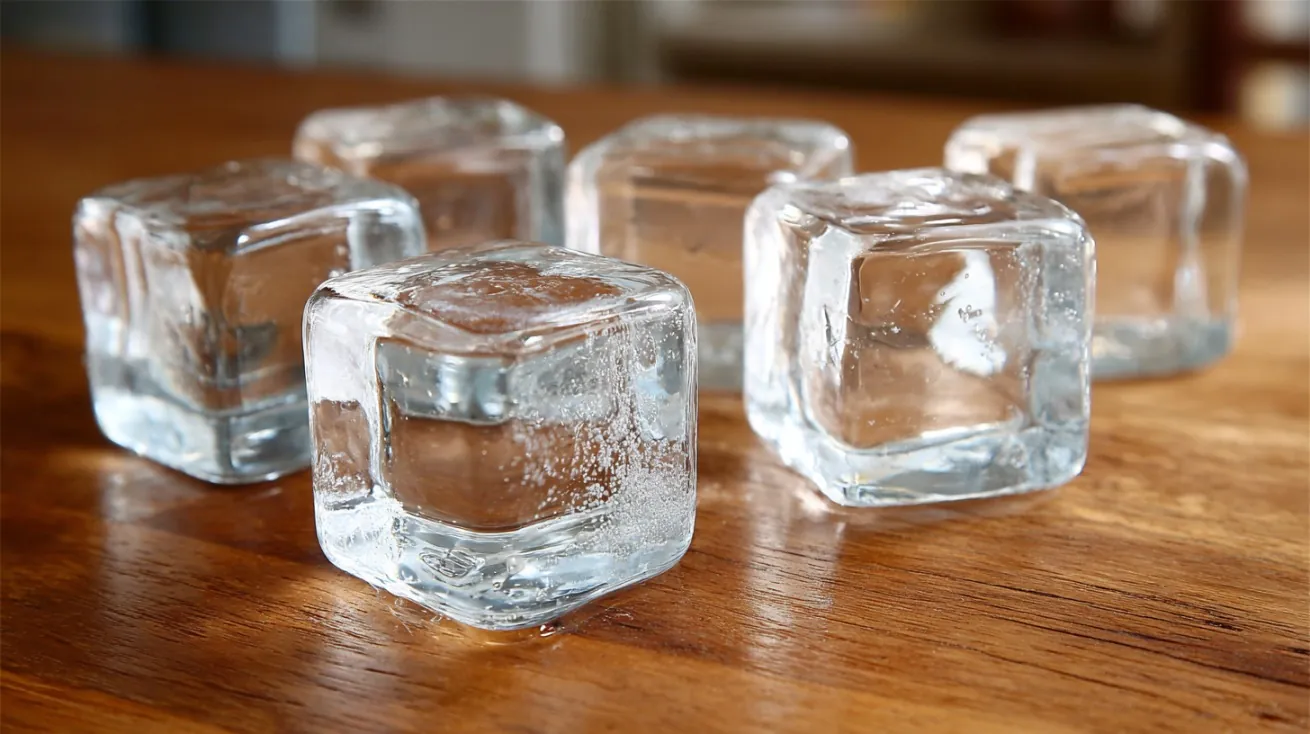
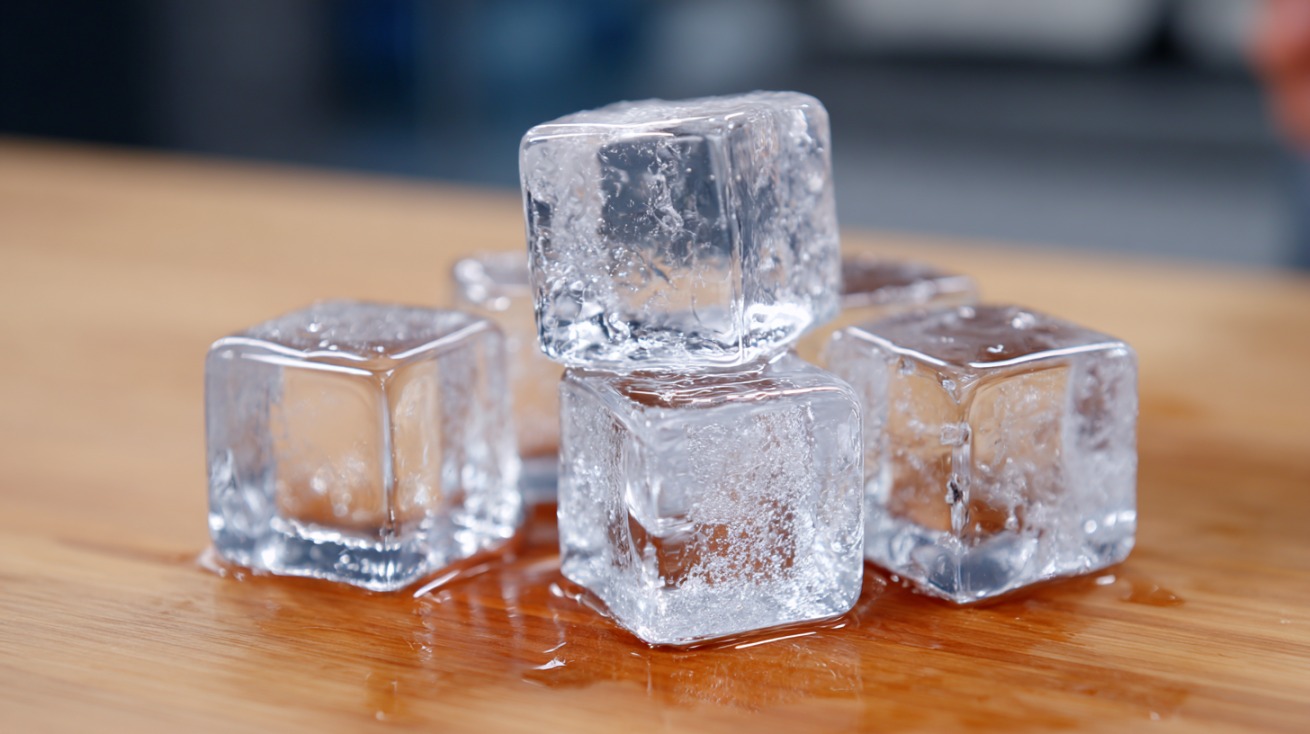
Crystal clear ice looks striking in a glass, yet most home ice cubes turn out cloudy and white in the center. Cloudiness forms when dissolved air, gases, and tiny impurities become trapped inside as water freezes.
Standard ice cube trays freeze water in multiple directions at once, which pushes bubbles toward the middle and locks them in place.
Clear ice cubes matter for more than appearance. Denser ice melts more slowly and dilutes drinks at a slower rate. Cocktails stay colder without becoming watered down too quickly.
Presentation also improves dramatically, giving drinks a polished, professional look that elevates the entire experience.
Step-by-Step Directional Freezing at Home
@atlasandmason Replying to @salvatore.n.s ♬ Peaceful Morning – The Machinist Beats
Directional freezing relies on controlling how ice cubes form inside a container. Water freezes in a single controlled direction, usually top down.
That adjustment prevents most bubbles and impurities from becoming trapped in the main body of the ice. Proper setup and timing make the process reliable and repeatable.
Choose the Right Freezing Setup
Equipment selection influences clarity before freezing even begins. Insulation limits unwanted freeze points and ensures ice cubes form predictably.
Use an Insulated Container
An insulated cooler works best for directional freezing. Small hard-sided coolers provide reliable results in standard home freezers.
Insulation slows freezing along the sides and bottom, preventing ice formation in those areas during the early stages.
- Ice formation begins at the exposed top surface
- Side walls remain unfrozen longer
- Impurities are pushed downward instead of trapped mid-block
Only the top surface remains directly exposed to circulating cold air. That exposure forces ice cubes to form at the top first and move steadily downward in a solid sheet.
Cooler Depth Matters
Depth directly affects clarity, thickness, and ease of handling. Fill the cooler about three-quarters full with water.
Adequate depth allows a thick, clear layer to develop while leaving space at the bottom for cloudy ice cubes and concentrated impurities.
- Sufficient mass for a solid, clear block
- Room for impurities to collect below the clear section
- Easier removal and trimming once frozen
Shallow containers may freeze too quickly and trap air. Overfilled coolers can become heavy and harder to manage safely.
Why Does Ice Look Cloudy?
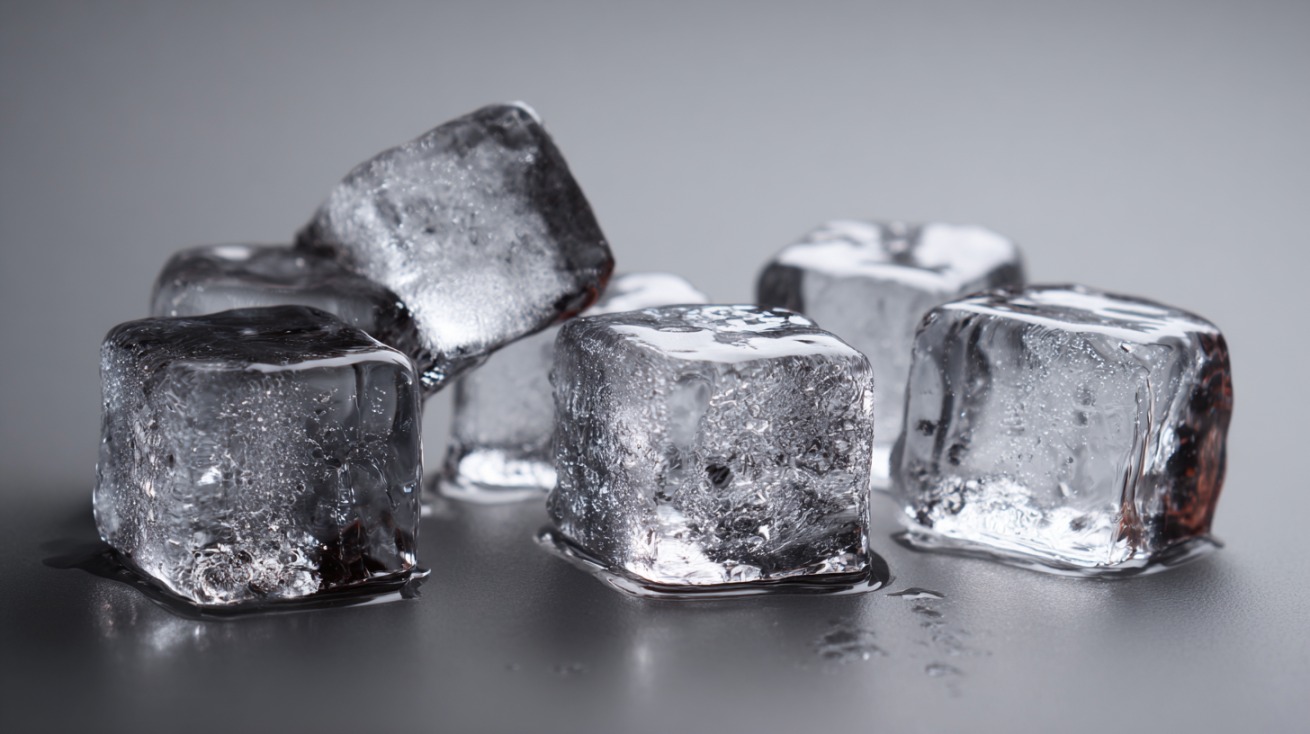
Most cloudy ice forms due to simple physical processes that occur during freezing. Water may look clear in liquid form, yet it contains dissolved gases and tiny particles that become visible once ice traps them inside a solid structure.
Cloudy ice results primarily from trapped air. Water naturally holds dissolved gases such as oxygen and nitrogen. As freezing begins in a typical tray, ice crystals start forming along the outer edges and surface. Solid ice expands outward while pushing unfrozen water and dissolved gases toward the center.
Once the center finally freezes, gases have nowhere left to escape. Tiny bubbles remain suspended inside the cube. Light scatters when it hits those bubbles, creating a white or cloudy appearance.
- Freezing occurs in multiple directions at once in standard trays
- Dissolved gases become concentrated in the last portion to freeze
- Rapid freezing increases the likelihood of trapped air
Minerals and microscopic particles also play a significant role. Tap water often contains dissolved minerals such as calcium and magnesium. Small particles that are invisible to the eye remain suspended in the liquid.
During freezing, these substances are forced into tighter spaces as ice crystals form. Once trapped, they create visible streaks or cloudy patches.
- Hard water minerals
- Tiny sediment particles in plumbing
- Residual contaminants in unfiltered tap water
Even water that appears perfectly clean can produce cloudy ice cubes if dissolved solids remain present.
Freezing direction plays a critical role in clarity. Ice that forms only at the top and gradually progresses downward allows gases and impurities to move away from the advancing freeze line.
Instead of becoming trapped in the center, they are pushed toward the bottom, which freezes last. As a result, the upper portion of the block remains transparent while cloudiness collects in the lower section.
Why Crystal Clear Ice Cubes are Better?
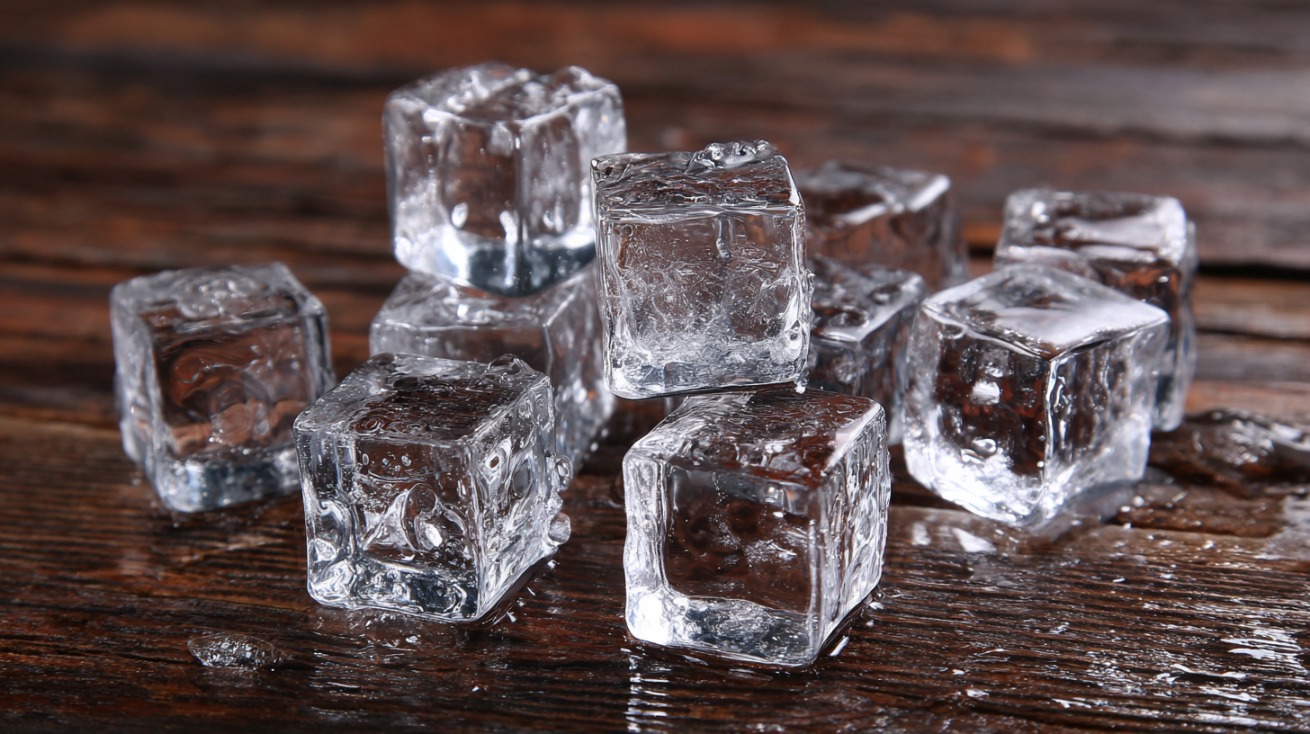
Clear ice improves both performance and presentation in drinks. Density, purity, and internal structure influence how ice chills liquid, how quickly it melts, and how it affects aroma and taste over time. Small structural differences inside a cube can noticeably change the drinking experience.
Slower Melting Equals Better Drinks
Clear ice contains fewer internal air pockets and far less structural weakness than cloudy ice. Air bubbles create fragile points that accelerate melting. Greater density allows clear cubes or spheres to maintain their shape longer.
Smoother surfaces also reduce the total area exposed to liquid, slowing heat transfer.
- Drinks remain cold for longer periods without frequent replacement of ice cubes
- Dilution occurs at a steadier, more predictable pace
- Flavor balance stays intact for a longer time
Gradual dilution plays an important role in spirit-forward drinks. Whiskey, bourbon, aged rum, and similar spirits often benefit from small amounts of water that release aroma compounds.
Controlled melting allows subtle softening of alcohol intensity while preserving structure and character. Rapid melting, by contrast, can flatten flavors and thin texture too quickly.
Clear ice also maintains structural integrity in larger formats. Oversized cubes and spheres made with directional freezing keep their shape while swirling in a glass.
Consistent shape slows breakdown and prevents sharp fragments from forming prematurely.
View this post on Instagram
Neutral Flavor
Impurities trapped inside cloudy ice can influence taste as melting occurs. Concentrated minerals and microscopic particles may introduce faint metallic or chalky notes. Air pockets can also create uneven melting, which affects texture and perception.
- Meltwater tastes more neutral
- Aromas remain closer to their intended profile
- The finish of the drink remains smoother
Purity matters most in simple drinks with minimal ingredients. Straight spirits, stirred cocktails, and sparkling water reveal subtle differences in meltwater quality more clearly than heavily mixed beverages.
Aesthetic Impact
Visual presentation changes dramatically when clear ice is used. Transparent cubes, spheres, or large blocks allow light to pass through cleanly.
Color gradients in cocktails remain visible. Bubbles in carbonated drinks rise smoothly around the ice instead of clinging to rough surfaces.
- Clarity enhances perceived quality
- Clean lines create a professional look
- Light refraction adds visual depth inside the glass
Professional bars rely on crystal clear ice because guests associate clarity with care and precision. Home bartenders can achieve similar results with proper freezing technique and careful shaping.
Prepare the Water
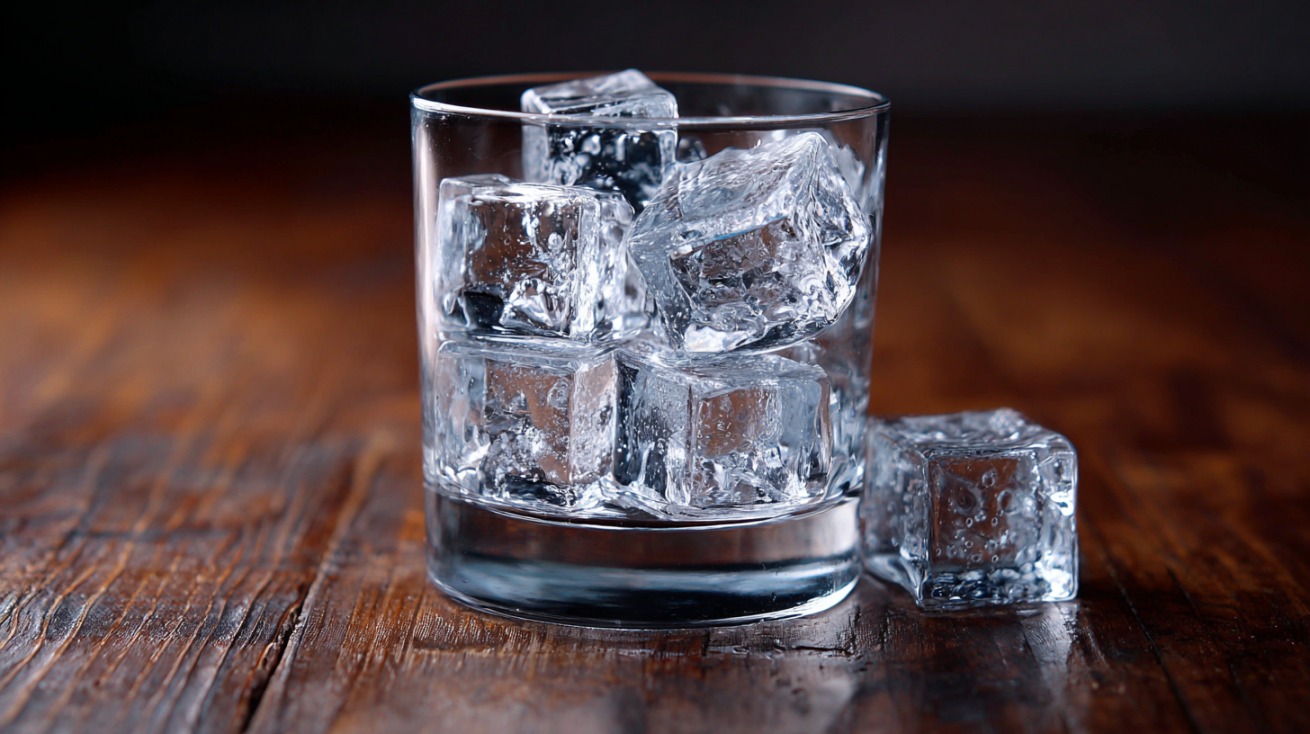
Water preparation can improve results, although freezing direction remains the most important factor.
Boil Water to Reduce Air
Boiling water releases a significant portion of dissolved gases. Heating water once or twice reduces the amount of air that might otherwise form bubbles during freezing.
Allow water to cool before placing it in the cooler to prevent thermal shock and excessive condensation inside the freezer.
- Fewer dissolved gases are available to form bubbles
- Reduced cloudiness in the clear portion
- Improved overall consistency
Boiling alone will not produce clear ice cubes without directional freezing, yet it can noticeably enhance clarity when paired with the correct setup.
Filtered or Distilled Water
Filtered or distilled water contains fewer minerals and microscopic particles. Cleaner water reduces the amount of solid material that could become trapped during freezing.
Direction of freezing remains far more important than water purity, yet starting with cleaner water improves reliability and reduces the cloudy portion at the base.
Freeze with Purpose
Placement and timing inside the freezer determine final clarity. Controlled exposure to cold air ensures proper top-down freezing.
Freeze Top Down
Place the cooler uncovered in the freezer. Cold air should contact only the top surface. Avoid stacking items tightly around the cooler, since airflow supports consistent freezing at the top. As ice forms, it progresses downward in a controlled sheet.
Gases and impurities are gradually pushed toward the bottom portion that remains liquid the longest. That top-down progression creates a thick, transparent layer at the top while concentrating cloudiness below.
Timing
Freeze for about eighteen to twenty-four hours. Exact duration depends on freezer temperature, water volume, and cooler insulation. The goal is to form a substantial, clear section while leaving a small unfrozen or cloudy layer at the bottom.
- Colder freezers reduce freezing time
- Larger coolers require additional time
- Overfreezing can solidify the cloudy portion, making trimming more difficult
Monitoring thickness during early attempts helps determine the ideal timing for a specific freezer setup. Consistent timing produces repeatable, bar-quality results.
Summary
Controlled directional freezing is the key to crystal clear ice cubes. Forcing water to freeze in a single top-down direction allows gases and impurities to move away instead of becoming trapped.
Proper setup, patience, and careful trimming produce bar-quality cubes, spheres, and blocks at home.
Clear ice cubes transform everyday drinks into a more refined and satisfying experience.

I’m Leo McIntyre, and my love for cooking was born in my grandmother’s kitchen, where I discovered the magic of traditional Southern recipes. Inspired by her passion and the flavors of my childhood, I started SouthernParm to share these treasured family dishes and keep the rich culinary traditions of the South alive for everyone to enjoy.