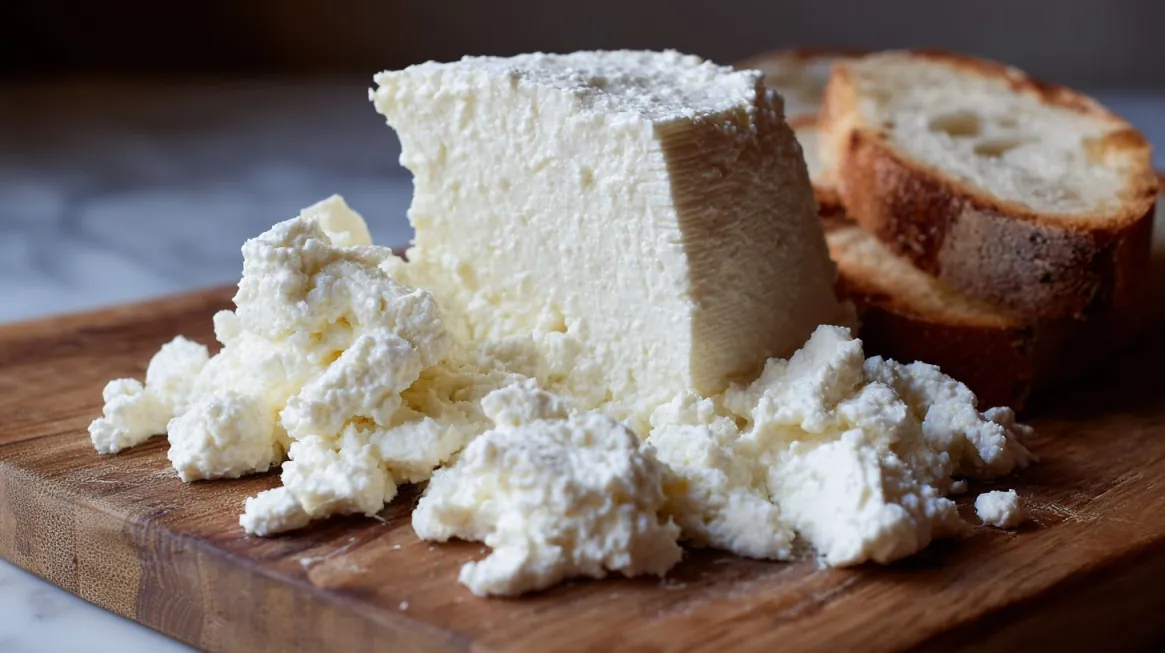
Leftover ricotta cheese is a common problem after recipes that use only part of a container. Good news, though: ricotta is one of the most flexible ingredients in the fridge.
Mild flavor makes it work in sweet dishes, savory meals, quick snacks, and simple breakfasts.
A good way to think about ricotta is by amount. A few spoonfuls can go on toast, into pancake batter, or into a bowl with honey and berries.
A larger amount can become pasta sauce, ravioli filling, frittata, gnocchi, gnudi, or even cake.
Soft texture also makes ricotta cheese useful as a dip, a spread, or a finishing touch for vegetables.
Spread It on Toast
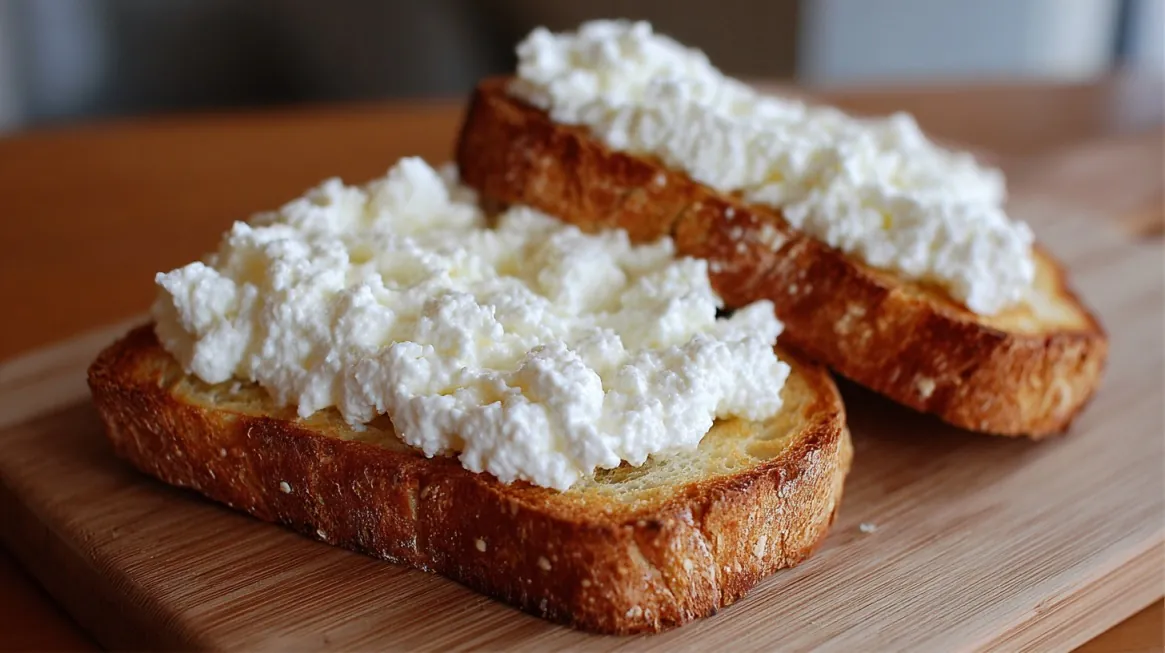
Ricotta toast is one of the easiest ways to use leftovers because it asks for very little prep and gives you a lot of room to play with flavor. Thick ricotta cheese creates a soft, creamy layer that turns even plain toast into something more filling.
Morning meals, quick lunches, and afternoon snacks all work well here, especially when you only have a few spoonfuls left in the container.
Sweet toppings make ricotta feel almost dessert-like without much effort. Figs are a natural match because their jammy texture sits well against the softness of the cheese.
Honey adds gloss and sweetness, while flaky salt keeps the whole bite balanced instead of flat. A fig toast can feel simple or a little dressed up, depending on what else you add.
- Figs, honey, and flaky salt for a sweet and salty version
- Figs, walnuts, and balsamic for more crunch and a sharper finish
- Berries and honey when figs are not in season
Savory toppings work just as well because ricotta cheese has a mild flavor that does not get in the way. Tomatoes, basil, olive oil, and balsamic make a classic combination that feels fresh and light.
Burst cherry tomatoes are especially good because their juices soak slightly into the toast and mix with the cheese. Basil brings freshness, and balsamic adds just enough sharpness to keep everything lively.
Stir It Into Pancake Batter
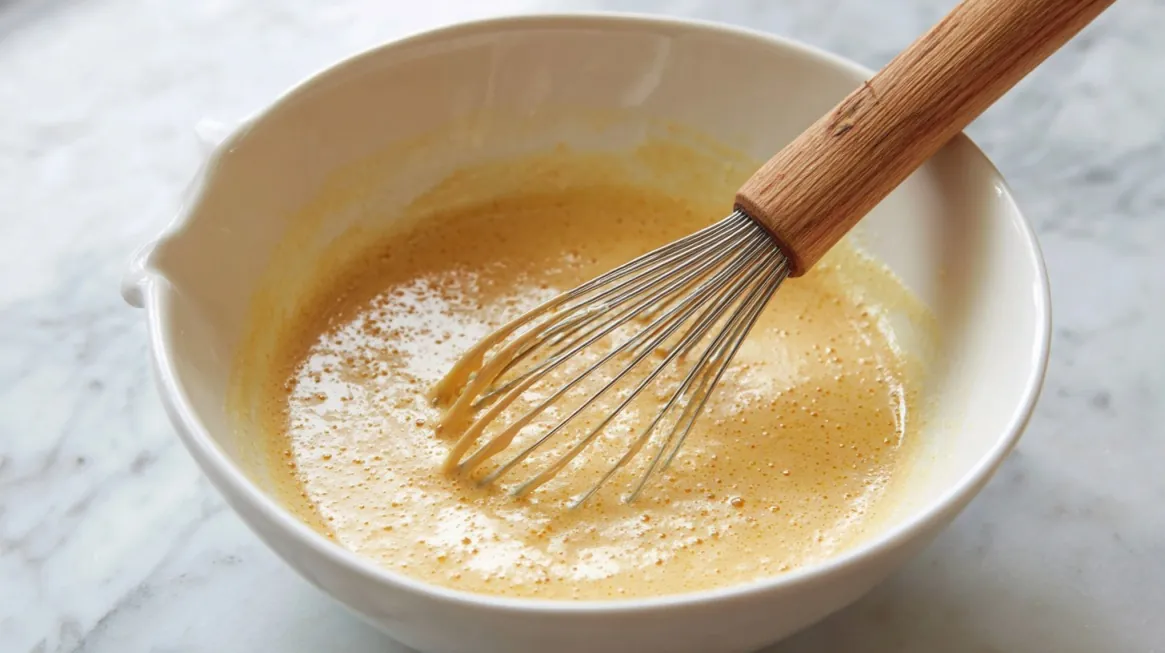
Even a modest scoop changes the batter in a noticeable way, which makes pancakes a smart use for small leftovers. Texture is the biggest reason to do it, but flavor gets a boost, too.
Moisture stays in the batter more effectively when ricotta is added, so pancakes stay soft after cooking instead of drying out quickly. Finished stack feels light, yet still has a little richness that plain pancakes sometimes lack.
Ricotta does not overpower the batter, so other flavors still come through clearly.
- Lemon, which brings brightness and helps the dairy flavor come through
- Blueberries, which add sweetness and a little burst of juice
- Lemon and blueberries together for a familiar, balanced combination
Lemon ricotta pancakes are one of the best-known versions for good reason. Citrus lifts the whole batter and keeps the pancakes tasting fresh.
Blueberry ricotta pancakes work in a similar way, but with more sweetness and a softer fruit note. If you want a simple breakfast that still feels a little special, either choice works.
Texture stays at the center of the idea. The batter feels tender and soft, and the cooked pancakes come out lighter than many standard versions. Ricotta cheese helps create a delicate interior, especially when the batter is not overmixed. Gentle stirring is enough. No need to beat the mixture too much.
Weekend breakfast is an easy fit, but weekday mornings can work too if you make extra. Leftover pancakes reheat well, so one batch can cover more than one meal.
Fold It Into Eggs
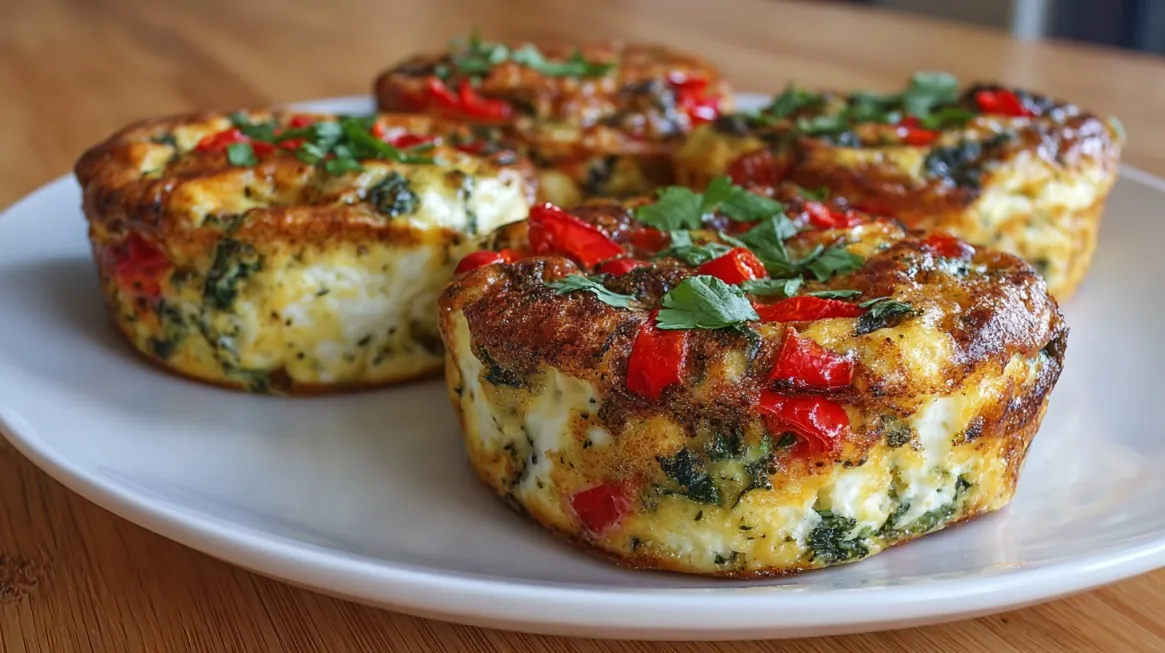
Eggs and ricotta make a very natural pair because ricotta softens into little creamy pockets as the eggs cook. The result feels comforting and substantial without asking for many ingredients. Breakfast is an obvious choice, but lunch and light dinner also make sense.
Frittatas are especially good for this because they welcome vegetables, herbs, and small leftovers already in the fridge. Ricotta cheese does not need to be fully mixed in. Small spoonfuls across the surface or folded lightly into the eggs create better texture than fully stirring it smooth.
A zucchini ricotta frittata is a strong example because zucchini keeps the dish light while ricotta cheese adds body and softness. The mild flavor of zucchini also leaves space for the cheese to stand out more clearly. Fresh herbs and black pepper can round it out, and a little grated cheese on top can add a firmer finish.
- Zucchini for a light, tender vegetable base
- Chopped herbs for freshness
- Black pepper for mild heat
- Grated cheese on top for extra savory flavor
Ricotta works well in scrambled eggs, too, though a frittata gives you a clearer texture contrast. Dollops stay visible, and each bite alternates between soft egg and creamy cheese. That contrast is a big part of why the pairing works so well.
Timing matters a little here. Add ricotta late enough that it keeps some shape, but early enough that it warms through. If it melts too fully into the eggs, you lose some of the creamy pockets that make the dish interesting.
Practical value is a big part of the case for eggs. Leftover slices of frittata can be eaten warm, cold, or at room temperature. Busy mornings and packed lunches both benefit.
Make a Quick Pasta Sauce
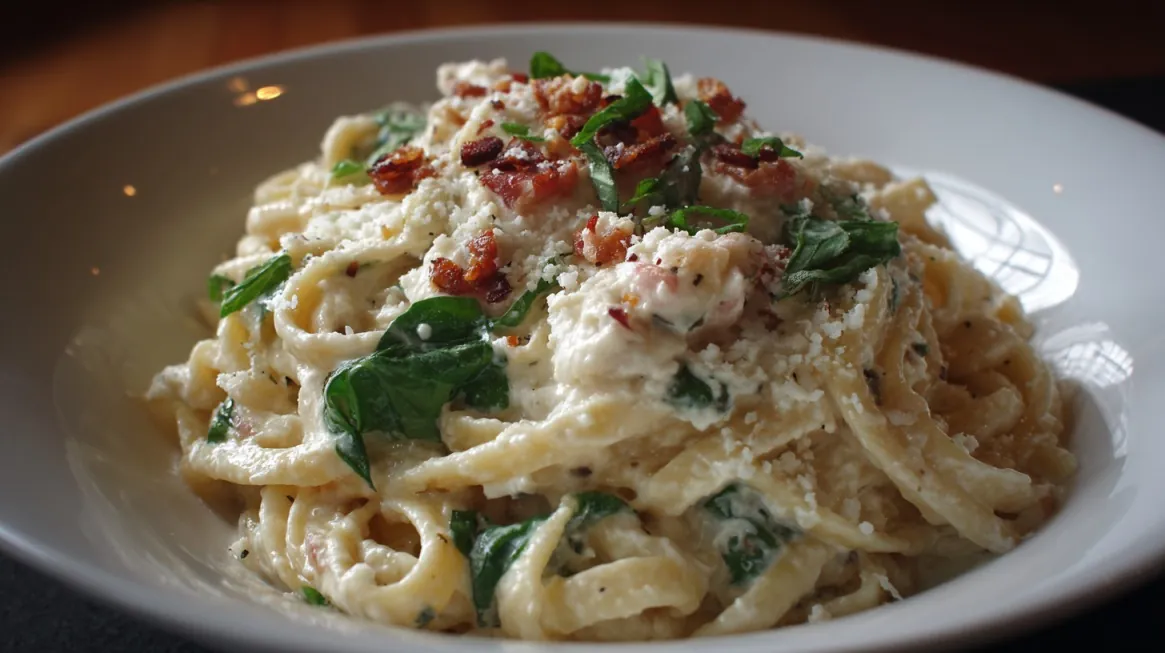
Hot pasta softens the ricotta cheese into a creamy coating, and the result feels substantial without the heaviness of a cream-based sauce.
Salt level also stays easier to control than in sauces built around harder cheeses.
One of the strongest examples is pasta with spinach, artichokes, and ricotta cheese. Frozen artichokes help keep prep easy, fresh spinach cooks down quickly, and the whole dish can be ready in under 30 minutes. Ricotta melts into the warm pasta and helps tie all the ingredients together.
- Pasta water to loosen the ricotta into a smoother coating
- Lemon zest for brightness
- Black pepper for gentle heat
- Red pepper flakes for sharper heat
- Garlic for more savory depth
Texture is what makes ricotta so useful here. Instead of creating a heavy, thick sauce, it gives the pasta a soft creaminess that still feels light enough for a weeknight meal. A spoonful or two may be enough for a small batch, but a larger amount can carry the whole dish.
Spinach and artichokes make a strong pair with ricotta because they bring a little earthiness and a little bite.
Ricotta cheese softens those edges and gives the dish a more rounded feel. Short pasta shapes work well because the cheese clings nicely to ridges and curves, but long pasta can work too if you loosen the sauce enough.
- Reserve some pasta water before draining
- Stir the ricotta into hot pasta off the heat if you want a gentler texture
- Add seasoning at the end so the balance stays right
Weeknight value is a major point here. Dinner can feel complete and comforting even when you started with leftovers and a short list of ingredients. Ricotta cheese makes that possible because it moves into sauce form so easily.
Use It as a Ravioli Filling
Texture stays smooth and light, which helps ravioli feel delicate instead of dense. If you have a larger amount of ricotta and want something more hands-on, this is a very good direction.
A simple herb-and-lemon filling is a great place to begin. Ricotta mixed with garlic, chopped herbs, lemon zest, salt, and pepper creates a filling that tastes fresh and clean. Flavor is gentle, but not bland. Lemon helps lift the mixture, and herbs give it a little more character without making it busy.
Butter sauce, olive oil, or a simple tomato sauce all work well with ricotta ravioli because the filling does not need much competition. Lighter sauces often make more sense here since they let the texture of the filling stay at the center of the dish. Heavy sauce can cover up the softness that makes ricotta ravioli so good.
Homemade ravioli takes more effort than toast or pancakes, but ingredient list can stay very short. That is part of the appeal of using ricotta here. You do not need a lot of extras to make the filling feel complete. Once the mixture is made, it can also be used in stuffed shells, which gives you another pasta option with almost the same prep.
If you do not want to make ravioli entirely by hand, ricotta filling can still be useful in easier stuffed pasta dishes. Ravioli just happens to be one of the clearest examples of how naturally ricotta fits pasta fillings.
Whip It Into a Dip
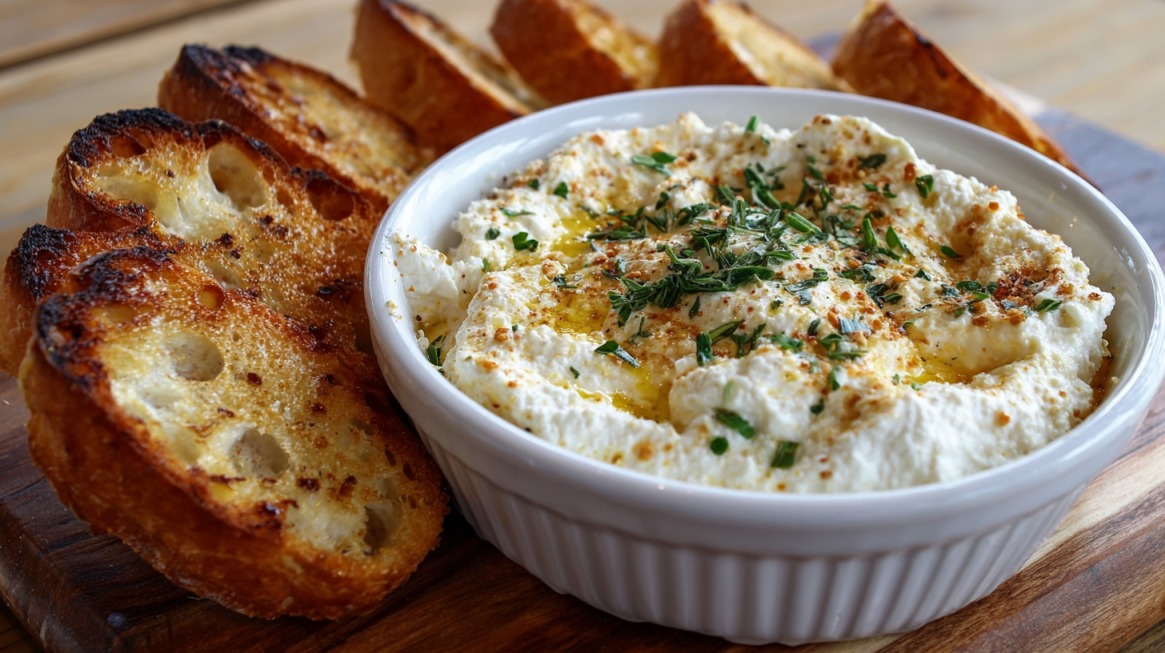
Plain spoonfuls are good, but whipping the cheese changes the texture enough that it feels more finished. Food processor helps most here, turning ricotta light, smooth, and airy.
Savory whipped ricotta is especially easy. Lemon juice, olive oil, garlic, salt, and pepper can take it straight into appetizer territory with almost no extra work. Brightness of lemon keeps the dip lively, while garlic and olive oil give it more depth. Texture becomes soft enough for spreading, scooping, or smearing onto toast.
Sweet whipped ricotta works just as well and shows how flexible the cheese can be. Honey and vanilla are often enough to turn it into something that feels close to dessert. Strawberries, apple slices, and cookies all make good partners because they give the dip texture contrast and a little extra sweetness.
Difference between plain ricotta and whipped ricotta is worth noting. Plain ricotta can feel slightly grainy or heavy depending on the brand. Once whipped, it becomes smoother and more spreadable, which makes it easier to use in a way that feels intentional instead of improvised.
For entertaining, whipped ricotta is a very practical move. For everyday snacking, it still works because prep is so minimal. Little leftover can become something that feels polished with only a few minutes of work.
Bake It Into Dessert
Cakes made with ricotta often feel soft and plush rather than dry or heavy. That makes it an especially smart use for leftovers when you have enough cheese to fold into batter.
Lemon blueberry ricotta pound cake is one of the clearest examples. Ricotta replaces some of the butter and flour, which helps create a tender crumb and a softer texture. Blueberries add little pockets of fruit, and lemon keeps the flavor bright so the cake does not feel too dense.
Ricotta cake is another smart use for leftovers because it lets the cheese do more than sit quietly in the background. Texture becomes part of the main point of the dessert. Cassata is another option if you want something more traditional and more involved, though that takes more work than a simple loaf or cake.
Sweet baking makes a lot of sense when you have more ricotta than a piece of toast can handle. One container can go into a batter and make a dessert that lasts for several days. That can be very useful if you want to use the ricotta fully instead of stretching small spoonfuls across several meals.
- Lemon for brightness
- Blueberries for sweetness and soft fruit texture
- Vanilla for warmth
- Honey for a gentler sweetness in some baked goods
Ricotta actively changes how the dessert is eaten. That is what makes it such a good baking ingredient and such a useful answer for leftovers.
Turn It Into Gnocchi or Gnudi
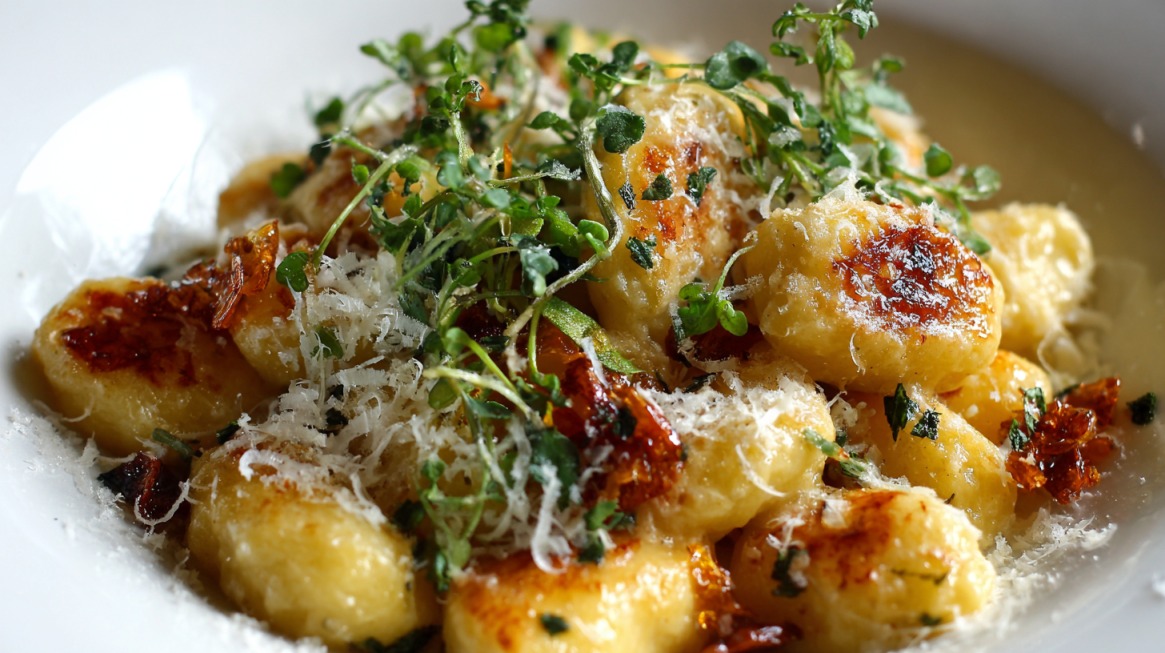
Ricotta cheese can become a full cooking project when you have more time and a larger amount left.
Gnocchi and gnudi are both great examples because ricotta cheese gives them a softness that many home cooks find easier to manage than potato dough. The result can still feel special, but the process is often more forgiving.
Spinach ricotta gnocchi is a very good place to start. Ricotta cheese keeps the dough light and tender, while spinach adds color and a mild, earthy flavor.
For people who feel unsure about potato gnocchi, ricotta gnocchi can be more approachable because the texture is less dependent on handling potatoes just right.
- Dough is often more forgiving than potato gnocchi dough
- Texture stays soft and tender
- Spinach pairs naturally with ricotta
- Mixture can feel manageable even for less experienced cooks
Gnudi are another excellent option. They are often described as ricotta dumplings, and they make very good use of leftovers when you want something handmade but not too complicated. Ricotta is the center of the dish, so texture matters a lot. Soft, tender dumplings are the goal.
The Bottom Line
Ricotta is most useful as a texture booster. Pancakes get fluffier, pasta sauces turn creamier, dips become smoother, toast tastes more substantial, and cakes stay tender and moist.
A small amount can go on toast or into a bowl with honey and berries. A larger amount can become pasta, frittata, gnocchi, gnudi, ravioli, or cake. Leftover ricotta does not need much help to turn into something good.

I’m Leo McIntyre, and my love for cooking was born in my grandmother’s kitchen, where I discovered the magic of traditional Southern recipes. Inspired by her passion and the flavors of my childhood, I started SouthernParm to share these treasured family dishes and keep the rich culinary traditions of the South alive for everyone to enjoy.