Balkan cuisine grew at a crossroads of Ottoman, Austro-Hungarian, Slavic, and Mediterranean food traditions, producing bold flavors and time-tested cooking methods.
In 2025, chefs revisit heritage recipes while presenting them with modern technique, clean plating, and creative twists, placing grilled meats and slow-cooked stews alongside vegan and contemporary dishes.
Food functions as social glue across the region, shaping long evenings in Serbian kafanas with live tamburaši, seafood dinners beside the Adriatic, and shared platters meant for conversation.
Seven restaurants below capture that spirit, each offering a clear taste of its regional identity and dining culture.
1. Via Enescu (Brașov, Romania)
View this post on Instagram
Via Enescu operates in Brașov’s historic center near Piața Sfatului, presenting Romanian tradition through refined Transylvanian technique.
Recognition among top restaurants in town comes from careful service, intimate lighting, and plating that treats familiar dishes with precision rather than excess.
Guest feedback often focuses on several elements that shape the experience:
- attentive pacing that allows meals to unfold slowly
- balanced portions designed for multi-course dining
- visual presentation that respects traditional structure
Menu standouts lean on regional ingredients prepared with restraint.
Duck breast arrives paired with cherry sauce and rosemary mashed potatoes, offering contrast between sweetness and savory depth.
A Transylvanian mushroom stew served with polenta emphasizes earth-forward flavors, while papanasi fried doughnuts finish meals with sour cream and berry jam that cut through richness.
Ambiance reflects fine-dining Romanian style, defined by warm wood interiors and an unhurried rhythm suited for long evening dinners.
2. Kajmak & More (Belgrade, Serbia)
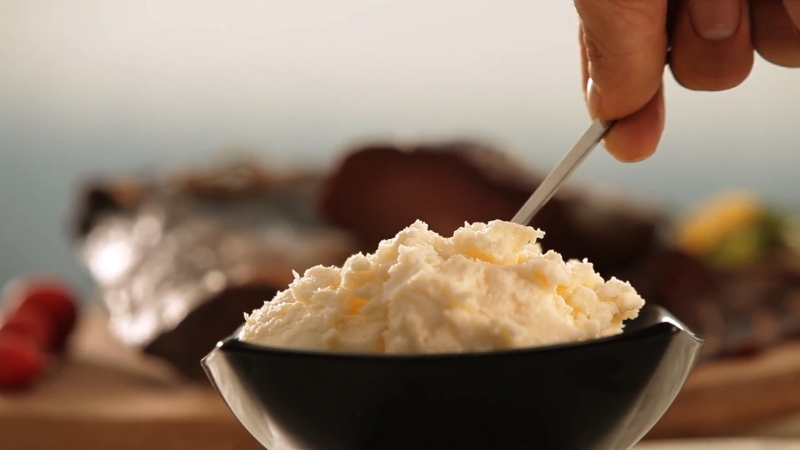
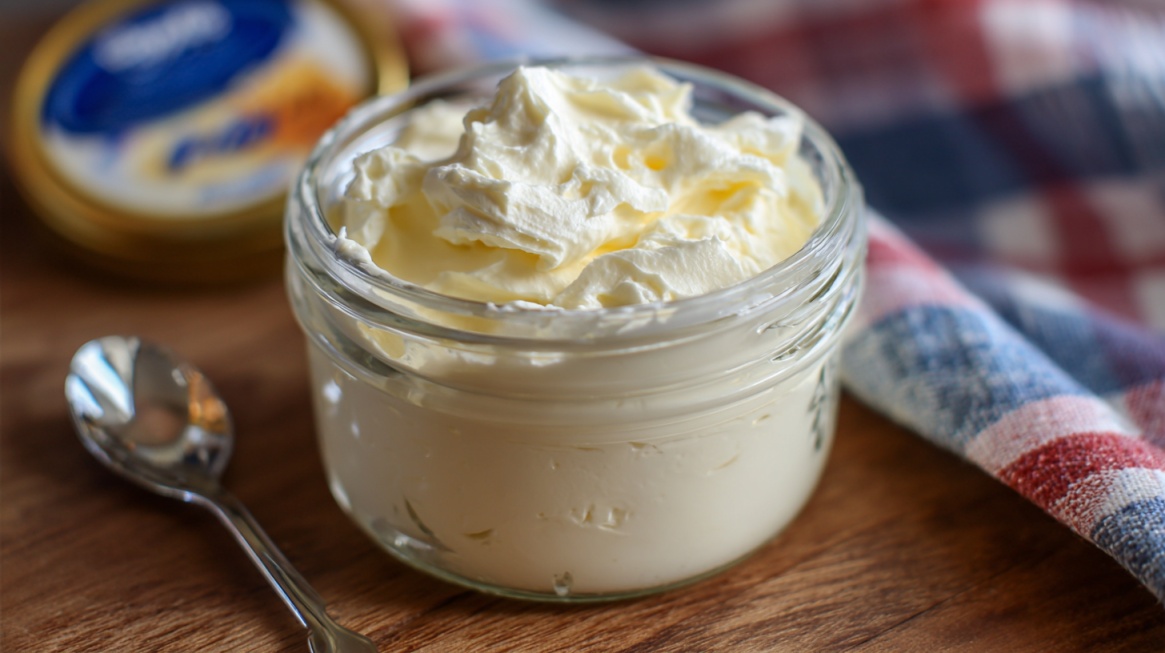
Kajmak & More takes inspiration from Serbia’s iconic cream spread and builds a menu around comfort-forward dishes shaped by modern rustic presentation. Belgrade’s contemporary tavern movement influences the concept, balancing familiarity with updated technique.
Core menu identity centers on kajmak used in several forms:
- pljeskavica stuffed directly with kajmak
- Karadjordjeva šnicla rolled around kajmak and finished with breadcrumbs
- rakija pairings infused with seasonal fruit
Meals here function as social events rather than quick stops. Shared plates dominate tables, while laughter, music, and repeated toasts shape the pace of dining, reflecting common Serbian habits around food and hospitality.
3. Tri Šešira (Belgrade, Serbia)
Tri Šešira continues operation as one of Belgrade’s oldest kafanas, positioned along Skadarska Street with cobblestones and bohemian character. Live folk music fills evenings, reinforcing an atmosphere shaped by decades of continuity.
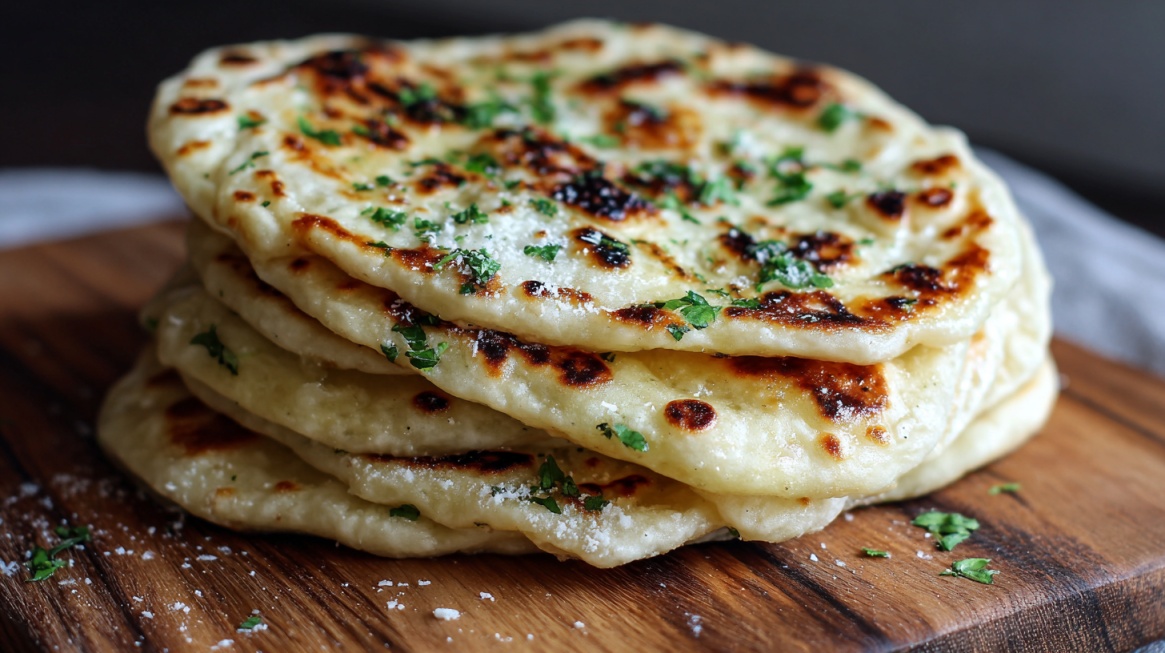
Menu structure favors staples long associated with kafana cooking, including ćevapi served with onions and flatbread, sarma rolled in sauerkraut leaves, and prebranac baked slowly with paprika and sausage.
Visual and auditory cues define the evening experience:
- red-and-white checkered tablecloths
- accordion and guitar performances
- spontaneous dancing among guests
Energy inside the space often feels celebratory, turning dinner into a shared cultural moment.
4. Ćevapčići House (Sarajevo, Bosnia and Herzegovina)
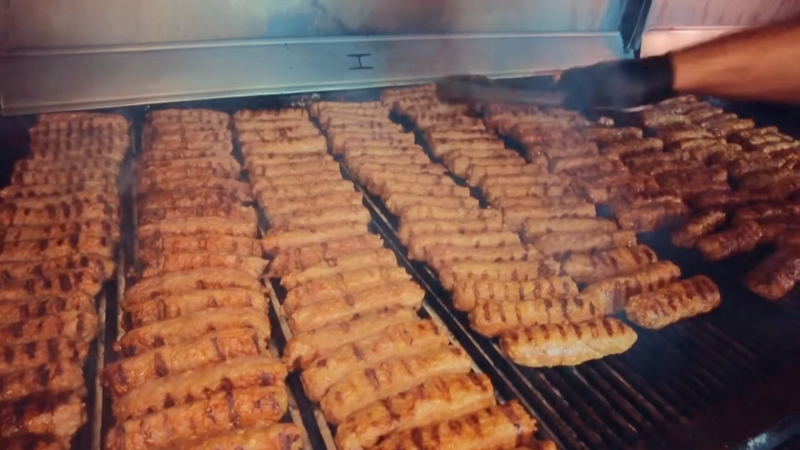
Sarajevo holds deep culinary significance as the spiritual center of ćevapi culture, and Ćevapčići House treats grilling as disciplined craft.
Marinated minced meats arrive on warm somun flatbread, reflecting Ottoman-rooted technique passed across generations.
Typical orders include several components served together:
- classic ćevapi portions
- ajvar and fresh kajmak served as sides
- local beer or ayran for contrast and balance
Simplicity drives the approach, allowing texture, seasoning, and grilling precision to define flavor without distraction.
5. The Dalmatian Bite (Split, Croatia)
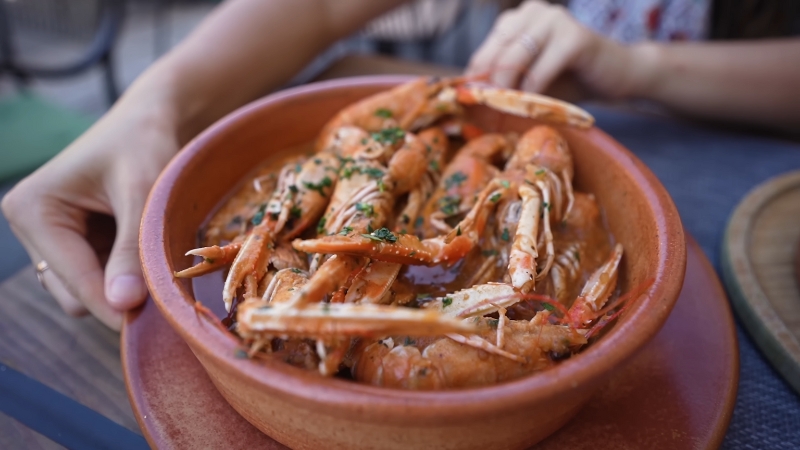
Seafood defines the menu at The Dalmatian Bite, guided by Dalmatia’s coastal cooking traditions and Adriatic sourcing.
Cooking under peka remains central, shaping both texture and aroma.
Signature plates showcase method as much as ingredient:
- octopus cooked slowly under peka with potatoes and olive oil
- squid ink risotto delivering concentrated maritime flavor
- fresh Adriatic oysters paired with local white wine
Stone walls and harbor-facing views reinforce a relaxed seaside mood, supporting leisurely meals shaped by coastal rhythm.
6. Meze House (Tirana, Albania)
@eosmezzebar NEW LOCATION🚨 Eos, DRYMADES🐚 see you there #eosmezzebar #albania #mezze #tapasbar ♬ MILLION DOLLAR BABY (VHS) – Tommy Richman
Meze House presents Albanian cuisine through small plates designed for sharing and conversation.
Mediterranean influence appears through olive oil use, seasonal vegetables, and a clear farm-to-table mindset.
Table spreads often include:
- grilled peppers topped with feta and herbs
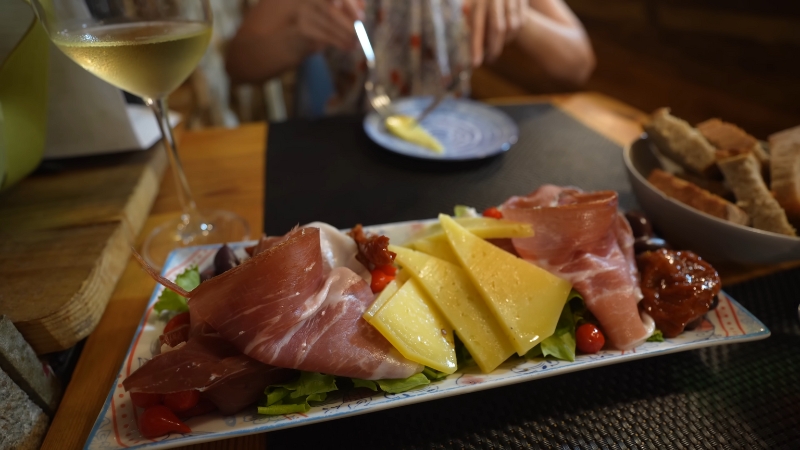
- selections of cured meats and local olives
- byrek me djathë layered with cheese
Dining culture favors slow pacing, encouraging guests to sample broadly rather than focus on single large portions.
7. Ajvar Garden (Ljubljana, Slovenia)
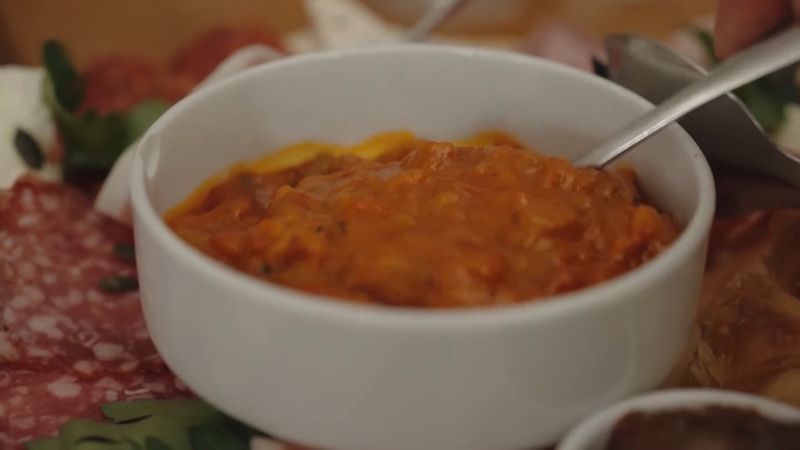
Ajvar Garden builds its identity around ajvar, the smoky red-pepper spread common across the Balkans and increasingly visible on international menus.
Contemporary bistro presentation supports traditional flavor profiles.
Menus often introduce ajvar through multiple preparations:
- grilled chicken or roasted eggplant finished with ajvar
- tasting flights showing peppery, smoky, and sweet styles
- pairings with Slovenian wines or rakija
Interior design emphasizes clean lines, an open kitchen, and sourcing limited to a 50-kilometer radius, aligning presentation with sustainability-focused values.
8. Zavičaj (Belgrade, Serbia)
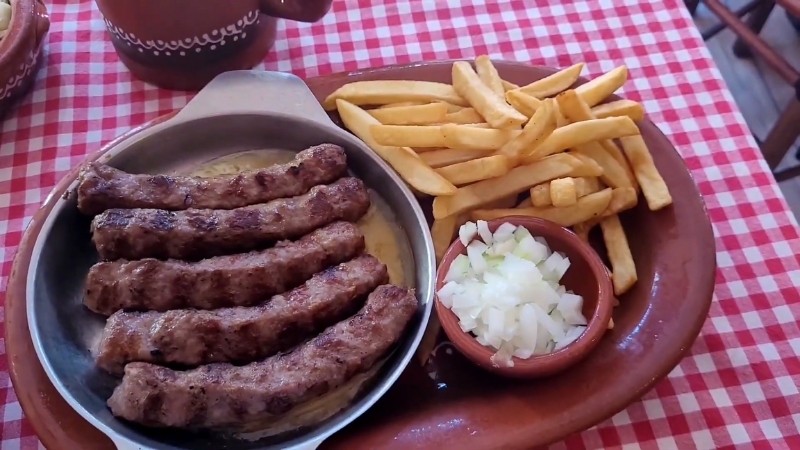
Zavičaj sits just outside Belgrade’s historic core and functions as a classic kafana devoted to Serbian home cooking.
Name translates to “Homeland,” signaling a focus on familiarity, comfort, and food prepared the way locals expect it.
Checkered ceilings, wood-paneled walls, and the constant aroma of roasted meat define the space.
Kitchen priorities revolve around slow cooking and generous portions, with several staples appearing on nearly every table:
- punjene paprike filled with rice and minced meat
- gulaš cooked for hours with paprika and onions
- kajmak served alongside warm bread as a starting course
Vibe feels cozy and straightforward. Belgraders fill the room daily, service arrives without ceremony, and dishes taste deliberately homemade rather than refined.
9. Restoran Kovač (Belgrade, Serbia)
View this post on Instagram
Restoran Kovač operates in Belgrade’s Voždovac district and holds a strong reputation among locals as a place for traditional Serbian dining paired with polished service.
Long-standing popularity comes from consistency, hospitality, and recipes preserved across generations rather than trend-driven updates.
Lace tablecloths, folk décor, and live music frame the experience.
Culinary focus centers on classic preparations that reward patience and careful timing.
Several dishes define the kitchen’s identity:
- roast lamb or veal cooked under sač, sealed beneath a bell-shaped lid for slow, even heat
- sarma prepared with tender cabbage leaves wrapped around seasoned meat and rice
- house-baked bread served warm alongside fresh kajmak
Live tamburaši bands perform regularly, shaping an atmosphere associated with celebration and tradition.
Many guests visit during weekends, especially for Sunday family lunches, birthdays, and larger gatherings where shared plates and music extend meals well into the afternoon.
The Bottom Line
Restaurants above show how Balkan food balances heritage and innovation, placing grilled meats, seafood, and cheese spreads alongside modern techniques and plant-based options.
Dining across the region extends past meals alone, shaped by music, shared tables, and cultural pride.
Readers seeking memorable flavors can trace a personal food trail stretching across the region, discovering stories served one plate at a time.

I’m Leo McIntyre, and my love for cooking was born in my grandmother’s kitchen, where I discovered the magic of traditional Southern recipes. Inspired by her passion and the flavors of my childhood, I started SouthernParm to share these treasured family dishes and keep the rich culinary traditions of the South alive for everyone to enjoy.