Fresh herbs add bright flavor to many dishes, yet they often spoil quickly in a refrigerator after only a few days. Many home cooks purchase a bunch for one recipe and end up discarding the rest. Preserving herbs in olive oil offers a practical solution that keeps flavor available for months.
Freezing herbs in olive oil provides a simple preservation method that locks in aroma and taste.
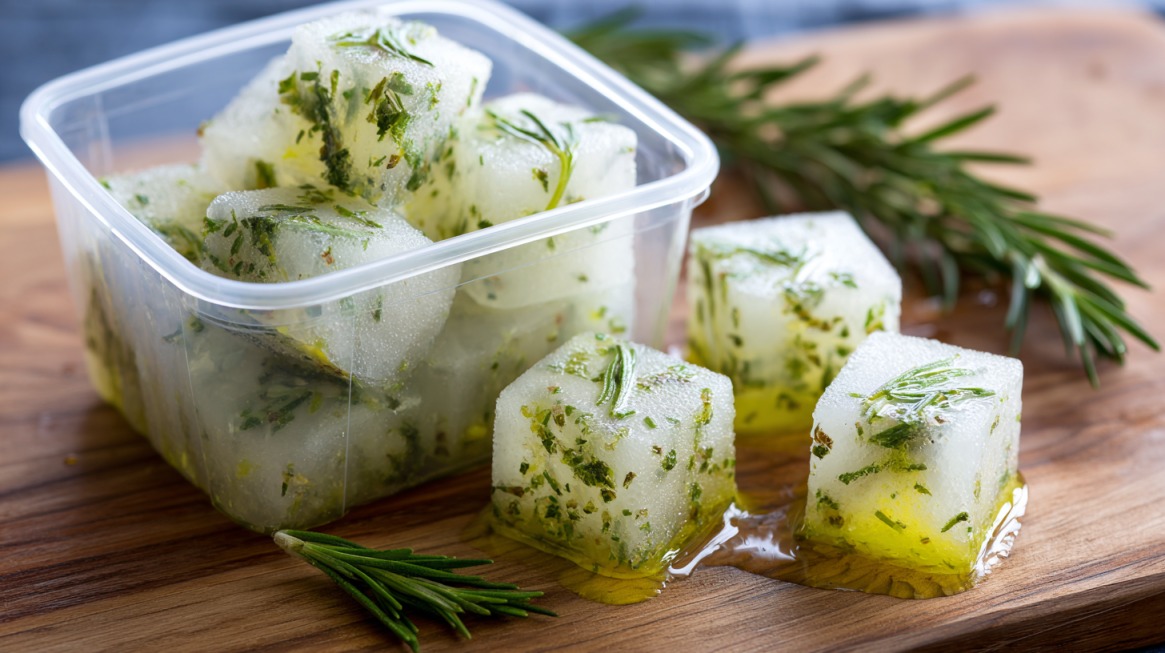
Chopped herbs covered with oil and frozen in small portions remain ready for cooking long after harvest. Ice cube trays or freezer bags often hold these mixtures, creating portions that can be used at any time.
Use of herbs in olive oil also helps cooks maintain a steady supply of seasoning ingredients.
Let us check out the process of how to successfully freeze herbs in olive oil.
Step-by-Step Guide to Freezing Herbs in Olive Oil
Proper preparation plays a major role in preserving flavor, color, and aroma. Careful cleaning, chopping, and freezing allow herbs in olive oil to remain usable for many months. Each stage contributes to maintaining quality and preventing freezer burn.
Small portions stored in ice cube trays make cooking easier later. Individual cubes can be added directly to hot dishes without thawing. Following several clear steps helps produce consistent results.
Step #1: Wash the Herbs
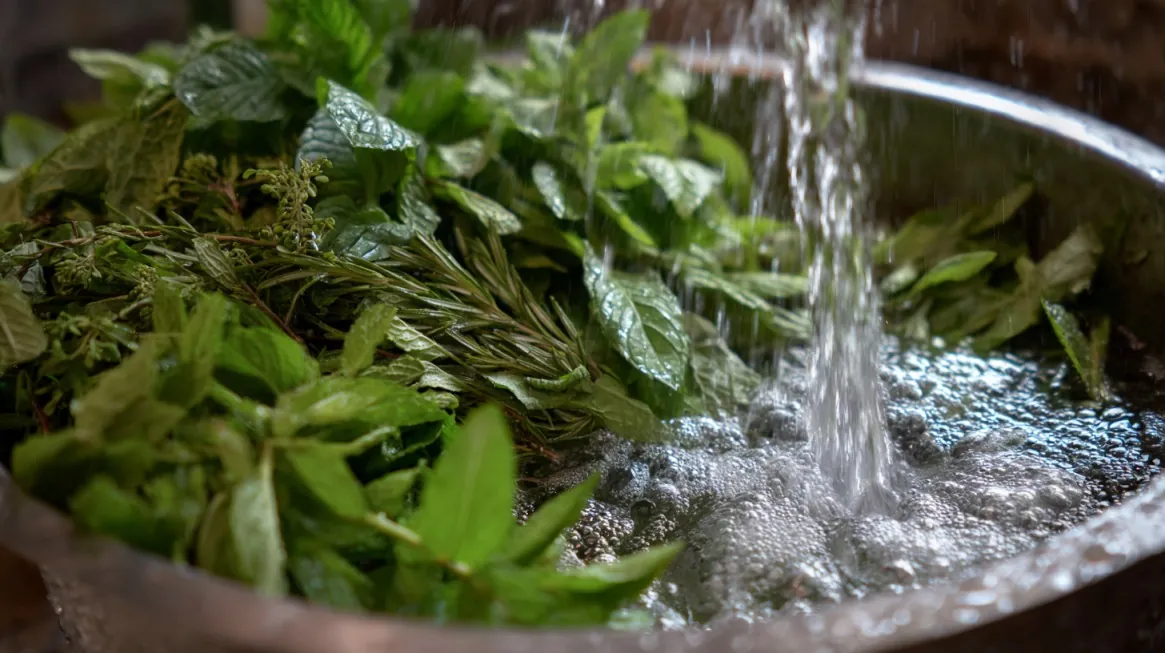
Fresh herbs often carry soil, dust, or tiny insects that collect on leaves and stems during growing and harvesting. Cleaning removes these impurities and improves safety and flavor.
Rinse herbs gently under cool running water. Movement of water helps remove debris that may hide between leaves. A bowl of cool water can also be used for delicate herbs that bruise easily.
- Separate leaves slightly so water can reach hidden areas
- Avoid hot water because heat can damage delicate leaves
- Shake herbs gently after rinsing to remove excess water
Clean herbs provide a better base for herbs in olive oil and prevent unwanted particles inside frozen cubes.
Step #2: Dry Them Thoroughly

Drying herbs completely is essential before freezing. Moisture left on leaves forms ice crystals that dilute flavor and damage texture.
Paper towels can absorb surface moisture quickly. A salad spinner also works well because the spinning motion removes water without crushing delicate leaves.
- Pat herbs carefully with paper towels until surfaces feel dry
- Spread herbs on a clean kitchen towel and allow air drying for several minutes
- Use a salad spinner to remove hidden droplets trapped between leaves
Proper drying keeps herbs in olive oil vibrant in color and prevents watery cubes during freezing.
Step #3: Chop the Herbs
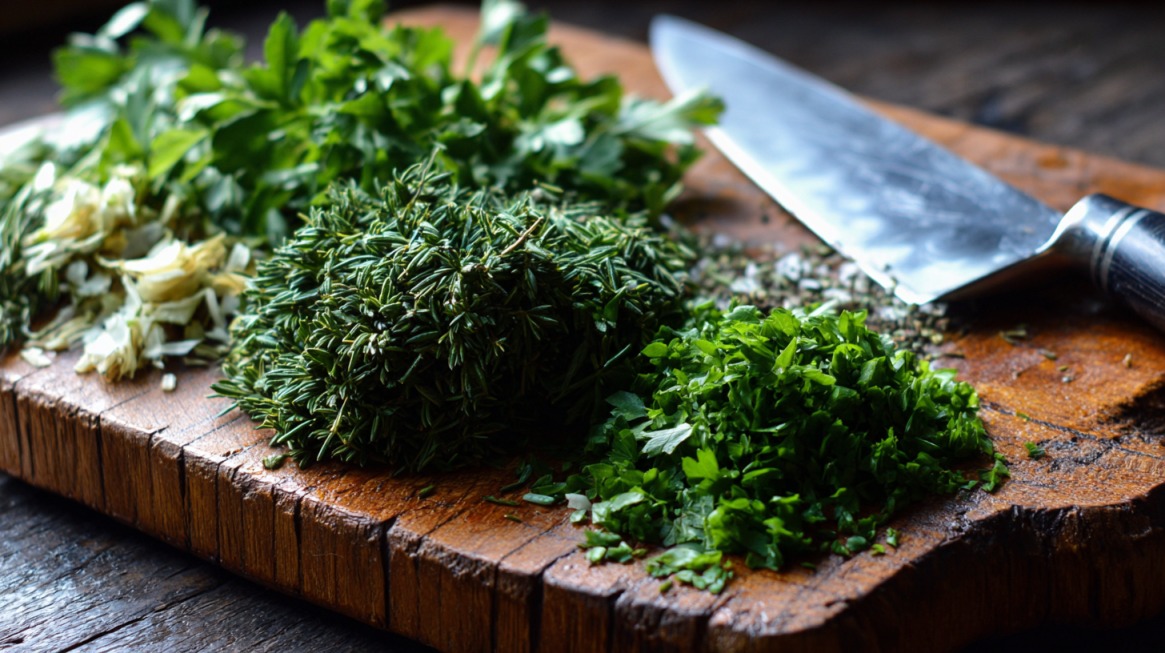
Chopping allows herbs to distribute evenly through oil and makes each frozen portion easier to use during cooking. Smaller pieces release flavor faster once heated.
Sharp kitchen knives work well for most herbs. Food processors can speed up preparation when working with larger batches.
- Finely chopped herbs produce smoother cubes that melt quickly in sauces
- Rough chopping maintains visible herb pieces and a stronger texture
- Small leaves, such as thyme or oregano may remain whole if preferred
Prepared herbs should remain loose and not compressed before placing them into trays.
Step #4: Fill Ice Cube Trays
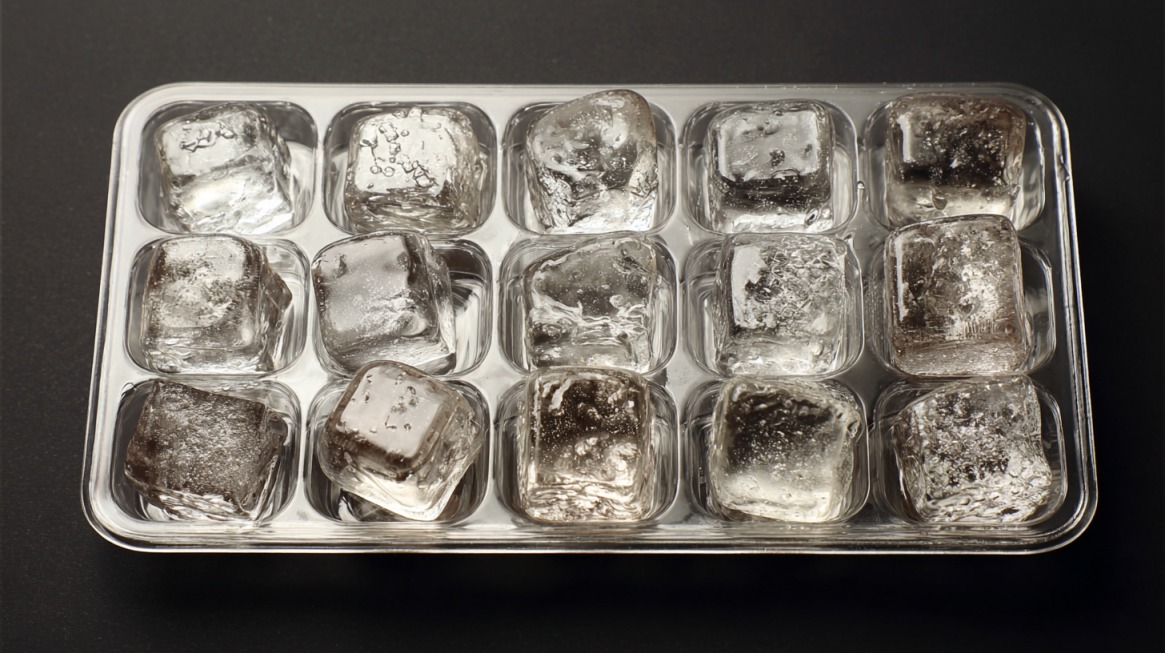
Ice cube trays create convenient portions that can be added directly to cooking. If you enjoy using ice molds in the kitchen for more than just herbs, learning how to make perfectly clear ice cubes at home can also improve the appearance and quality of drinks and frozen ingredients.
Silicone molds often release frozen cubes more easily than rigid plastic trays. Herbs should fill most of each compartment while leaving space for oil. Light packing prevents air pockets and allows oil to coat leaves completely.
Trays can hold different herb combinations depending on cooking preferences.
- Basil and parsley for pasta sauces
- Dill and chives for seafood dishes
- Rosemary and thyme for roasted vegetables or meats
Keeping mixtures organized helps produce herbs in olive oil suited for specific recipes.
Step #5: Add Olive Oil
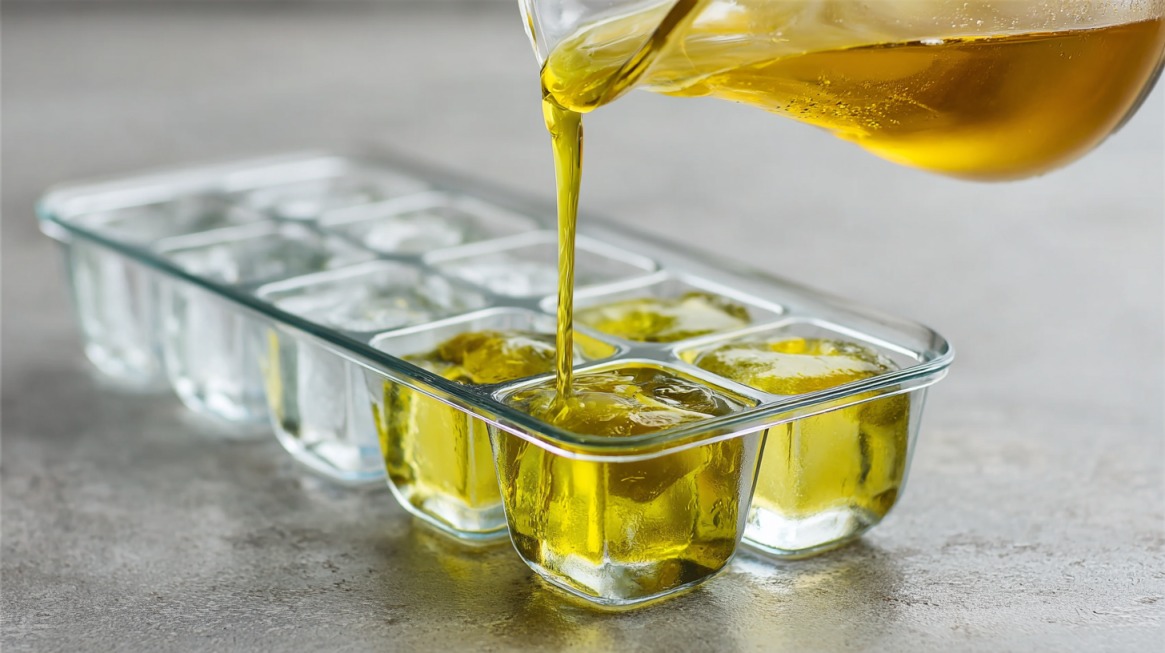
Olive oil protects chopped herbs during freezing and helps maintain color and aroma. Oil also prevents exposure to air, which slows flavor loss.
Pour olive oil slowly into each compartment until herbs are fully covered. Gentle tapping of the tray helps oil settle around the leaves.
- Protection against freezer burn
- Preservation of green color and aroma
- Improved flavor release during cooking
Extra virgin olive oil often adds additional flavor, while lighter oils produce a more neutral result.
Step #6: Freeze
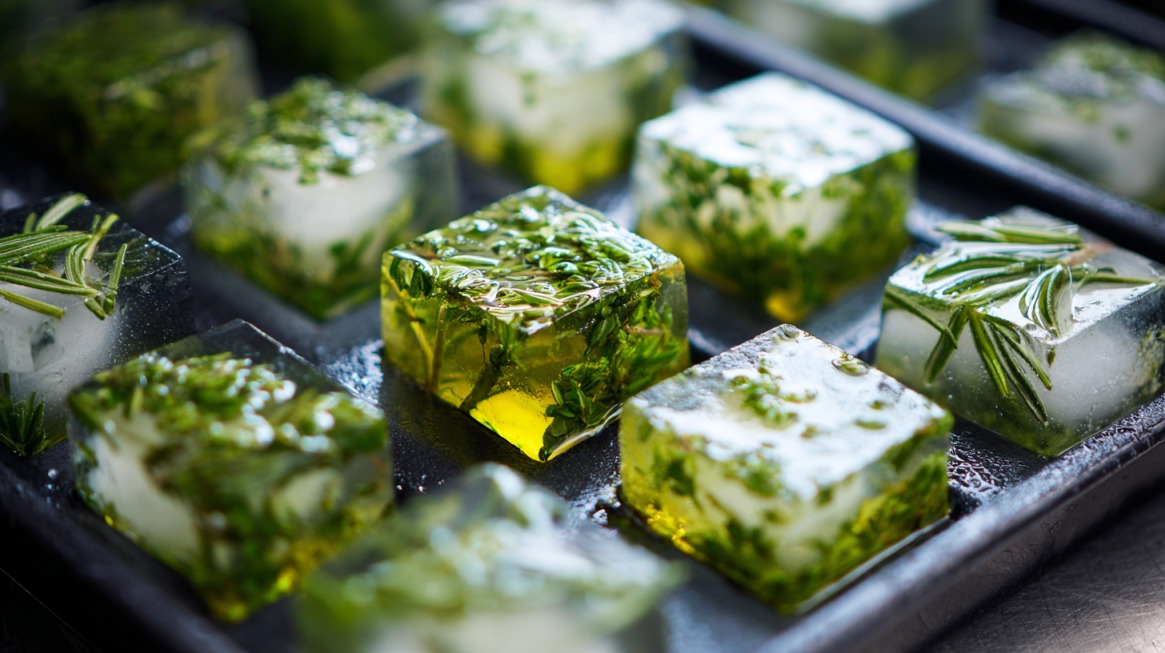
Trays should be placed on a flat freezer shelf so oil remains evenly distributed inside each compartment. Stable placement prevents spills and uneven freezing.
Complete freezing usually occurs overnight. Cold temperatures allow herbs in olive oil to solidify into firm cubes that hold their shape.
Freezer temperatures around 0°F or lower help preserve quality and extend storage life.
Step #7: Store for Long-Term Use
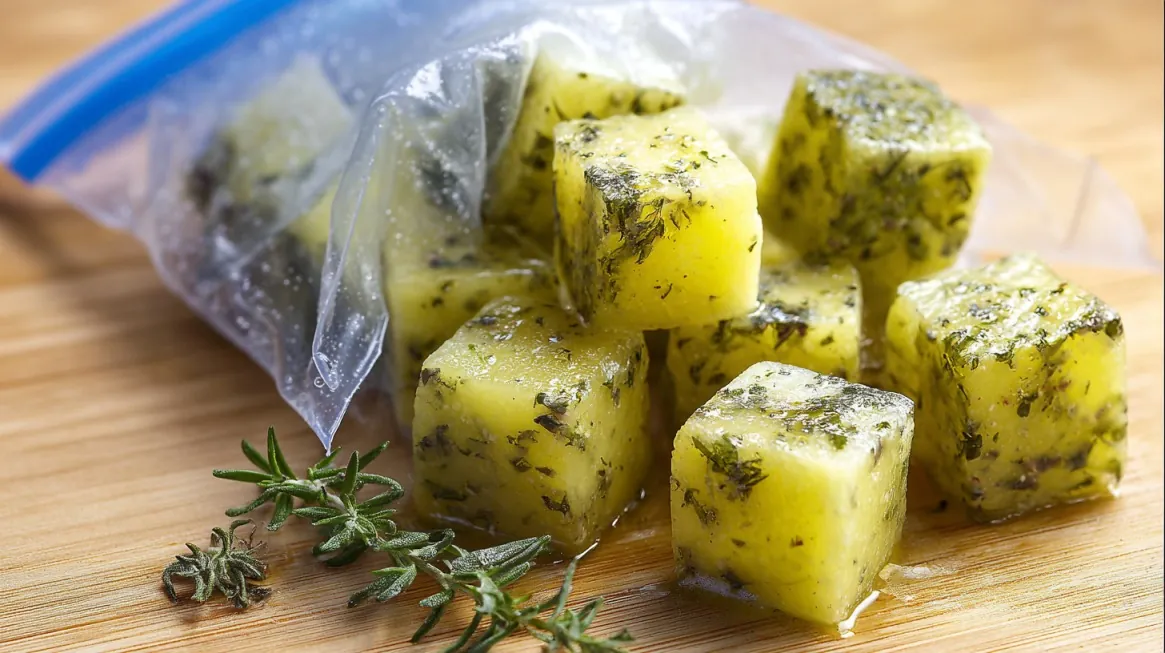
Frozen cubes should be transferred into freezer-safe bags or airtight containers once solid. Removing them early prevents absorption of odors inside the freezer.
Labeling containers helps identify herbs later because frozen cubes often appear similar. Writing the herb type and freezing date improves organization.
- Keep cubes sealed inside airtight containers
- Remove as much air as possible before sealing freezer bags
- Store containers near the back of the freezer where the temperature remains steady
Well-stored herbs in olive oil remain convenient flavor additions for months.
Best Herbs to Freeze in Olive Oil
Different herbs respond well to freezing, though some varieties maintain flavor better than others. Soft leafy herbs often benefit most because drying reduces their aroma.
Two main categories help organize common options.
Tender Herbs
Soft herbs lose much of their fragrance during drying but maintain strong flavor when preserved as herbs in olive oil.
Leaves of these herbs contain delicate oils that remain protected during freezing.
Hardy Herbs
Stronger herbs also freeze well and offer bold flavor when mixed with olive oil.
Leaves of hardy herbs contain a thicker structure and concentrated oils. Chopping them before freezing helps distribute flavor evenly inside cubes.
The freshness of herbs greatly influences the final quality. Vibrant color and firm stems indicate better flavor. Wilted or yellowing leaves should be avoided because they produce dull tasting cubes.
Ingredients and Supplies Needed
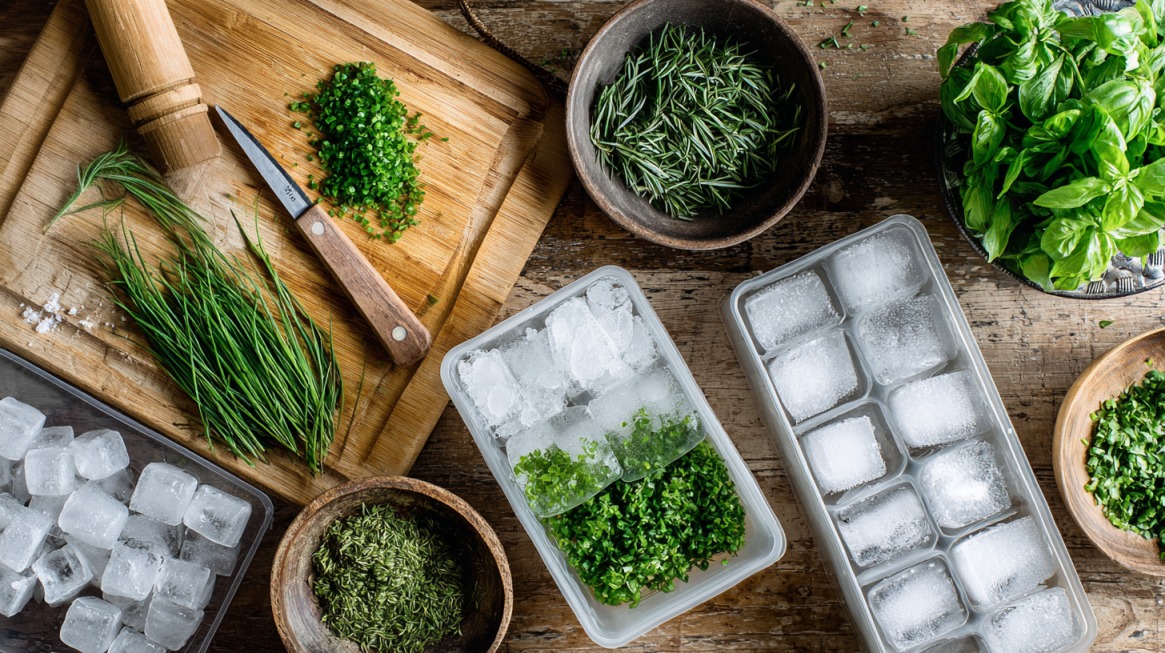
Preparation of herbs in olive oil requires only a small number of common kitchen items. Most tools already exist in typical home kitchens.
- Fresh herbs
- Olive oil
- Ice cube trays or silicone molds
- Knife or food processor
- Freezer-safe storage bags or airtight containers
- Paper towels or a salad spinner
Extra virgin olive oil often provides a stronger flavor and aroma. Neutral oils may also work if a milder taste is preferred.
Organization tools can also help during storage. Labels or markers allow quick identification of frozen cubes. Many herbs appear similar after freezing, so written labels prevent confusion later.
Why Freeze Fresh Herbs in Olive Oil?
Freezing herbs keeps much of their aroma and flavor compared with drying. Delicate leaves often lose fragrance during drying, while freezing protects many of those compounds.
Ice crystals may soften the herb’s texture because cell walls break during freezing. Flavor, however, remains largely intact. Oil surrounding chopped herbs adds another layer of protection. Olive oil helps reduce browning and shields delicate flavors during storage.
Fresh herbs usually last only a few days in a refrigerator before wilting. Herbs in olive oil stored in a freezer can remain usable for three to six months while retaining most aroma and flavor compounds.
Some kitchen references note that properly stored herb and oil mixtures may remain usable even longer. Storage for close to a year can occur when containers stay tightly sealed and are kept consistently frozen.
Frozen cubes of herbs in olive oil act as small flavor boosters ready for cooking. A single cube can be added directly to a hot pan, soup pot, or roasting dish.
- Washed
- Chopped
- Portioned
Busy cooks benefit by skipping repeated chopping and preparation each time a recipe calls for fresh herbs.
Fresh herbs often become one of the most wasted ingredients in home kitchens. Small quantities remain unused after cooking a single meal.
Freezing herbs in olive oil preserves them before they wilt or spoil. Instead of discarding unused herbs, cooks gain multiple ready-to-use portions that stay available for months.
The Bottom Line
Preserving herbs in olive oil offers a simple method for maintaining fresh herb flavor long after harvest. Freezing chopped herbs with oil keeps aroma intact and prevents quick spoilage.
Small frozen portions provide convenience during cooking. Cubes can be added directly to hot dishes, saving time during meal preparation.
Preparation requires minimal effort yet delivers months of usable flavor. Herbs in olive oil allow cooks to reduce waste while maintaining a steady supply of fresh herb taste throughout the year.

I’m Leo McIntyre, and my love for cooking was born in my grandmother’s kitchen, where I discovered the magic of traditional Southern recipes. Inspired by her passion and the flavors of my childhood, I started SouthernParm to share these treasured family dishes and keep the rich culinary traditions of the South alive for everyone to enjoy.