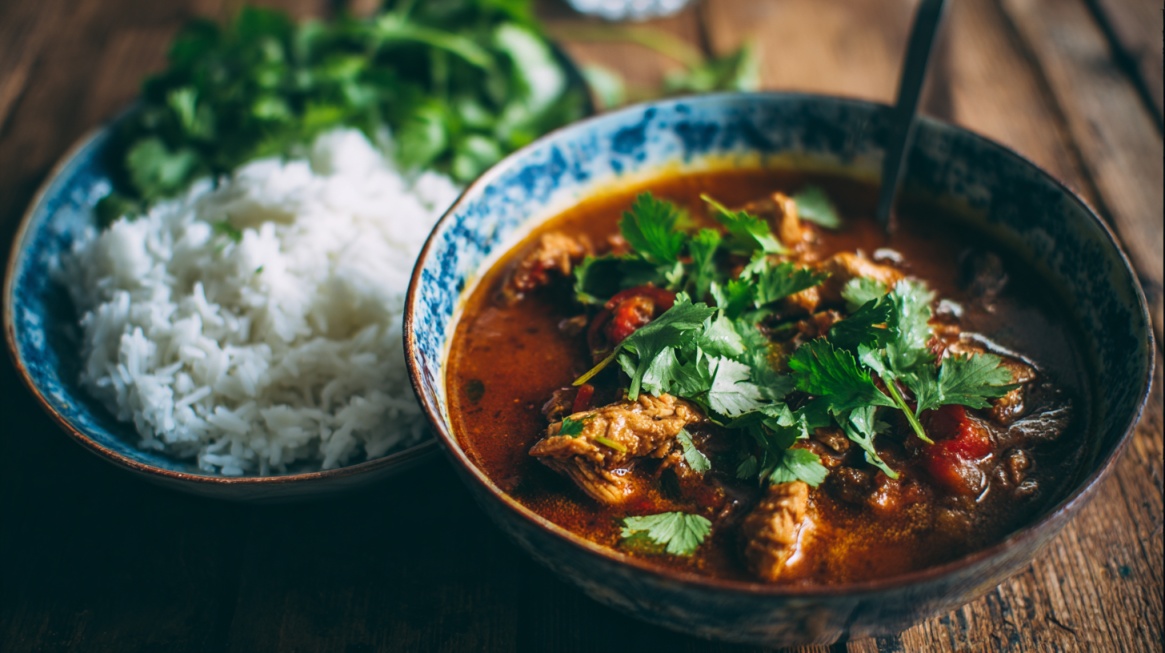
Turn your holiday leftovers into a flavorful and comforting meal with this Leftover Turkey Curry. The recipe transforms cooked turkey into a rich, aromatic curry packed with warm spices and a creamy sauce.
It’s perfect for a quick weeknight dinner, helping you reduce food waste while serving something exciting and satisfying.
Serve it over steamed basmati rice, with naan bread, or alongside quinoa or cauliflower rice for a lighter option.

Leftover Turkey Curry Recipe
Equipment
- Large skillet or sauté pan
- Medium saucepan for rice if serving
- Cutting board
- Sharp knife
- Wooden spoon or spatula
- Measuring cups and spoons
- Garlic press optional
- Ladle for serving
Ingredients
- 2 cups cooked turkey shredded or diced
- 1 tbsp vegetable oil or coconut oil
- 1 medium onion finely chopped
- 3 cloves garlic minced
- 1 tbsp fresh ginger grated
- 1 tbsp curry powder
- 1 tsp ground cumin
- 1 tsp ground turmeric
- ½ tsp chili powder optional for heat
- 1 cup canned diced tomatoes
- 1 cup coconut milk
- ½ cup chicken or turkey broth
- 1 tbsp tomato paste
- Salt and black pepper to taste
- 1 cup frozen peas
- 2 tbsp fresh cilantro chopped
- Juice of ½ lime
Optional for serving:
- 2 cups cooked basmati rice
- Naan bread
- Extra cilantro and lime wedges
Instructions
- Prepare the Ingredients: Shred or dice the leftover cooked turkey. Chop the onion, mince the garlic, and grate the ginger.Heat the Oil: In a large skillet or sauté pan, heat the vegetable oil over medium heat.
- Cook the Aromatics: Add the chopped onion and sauté for 3–4 minutes until softened and translucent.Add Garlic and Ginger: Stir in the minced garlic and grated ginger. Cook for 1 minute until fragrant.Bloom the Spices: Add the curry powder, cumin, turmeric, and chili powder. Stir continuously for 30 seconds to release their aroma.
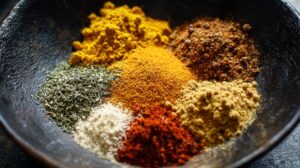
- Build the Sauce: Stir in the tomato paste, diced tomatoes, coconut milk, and broth. Mix well and bring the mixture to a gentle simmer.Add the Turkey: Stir in the cooked turkey pieces and allow them to heat through in the sauce.Simmer the Curry: Reduce heat to medium-low and simmer for 10–12 minutes, allowing the flavors to combine and the sauce to thicken slightly.

- Add Peas and Season: Stir in the frozen peas and cook for another 2–3 minutes. Season with salt and black pepper to taste.Finish the Dish: Add lime juice and fresh cilantro. Stir gently.Serve: Spoon the curry over steamed basmati rice or serve with warm naan bread.

Video
Notes
| Nutrient | Amount |
|---|---|
| Serving Size | ~350 g |
| Calories | 420 kcal |
| Carbohydrates | 18 g |
| Protein | 32 g |
| Fat | 24 g |
| Saturated Fat | 12 g |
| Polyunsaturated Fat | 2 g |
| Monounsaturated Fat | 7 g |
| Trans Fat | 0 g |
| Cholesterol | 75 mg |
| Sodium | 620 mg |
| Potassium | 720 mg |
| Fiber | 4 g |
| Sugar | 6 g |
| Vitamin A | 900 IU |
| Vitamin C | 18 mg |
| Calcium | 80 mg |
| Iron | 3 mg |
Cooking Tips
- Adjust the Heat: Add more chili powder or a diced chili if you prefer a spicier curry.
- Creamier Curry: Stir in a tablespoon of yogurt or extra coconut milk at the end.
- Add Vegetables: Bell peppers, spinach, or carrots work great in this curry.
- Thicker Sauce: Let the curry simmer uncovered for a few extra minutes.
- Leftover Storage: Store in an airtight container in the refrigerator for up to 3 days.
Can You Use some Alternative Ingredients?
Several ingredient swaps can help adapt the curry based on pantry items or dietary needs. Cooked chicken can replace turkey if leftover poultry is unavailable. Rotisserie chicken also works well and reduces preparation time.
Coconut cream can replace coconut milk for a thicker sauce. Greek yogurt offers another option, creating a creamy texture with a mild tang. Almond milk with a small spoonful of cream can act as a lighter substitute.
Fresh tomatoes can replace canned diced tomatoes. Chop about two medium tomatoes and cook slightly longer so they soften properly in the sauce.
Green beans, chopped carrots, or spinach can replace frozen peas. Bell peppers add color and mild sweetness when diced and cooked with the onions.
Fresh garlic and ginger provide a strong aroma, but garlic powder and ground ginger can be used in smaller amounts if fresh ingredients are not available.
Lime juice can be swapped with lemon juice for similar brightness. Fresh parsley can replace cilantro for people who prefer a different herb flavor.
Mild curry powder can be replaced with garam masala, plus a small amount of turmeric and cumin, to achieve a similar spice profile.

What Sauces Should You Use?
Several sauce options can shape the flavor and texture of turkey curry. Coconut milk creates a creamy base and soft sweetness that pairs well with warm spices. Coconut cream thickens the sauce and adds extra body for people who enjoy a heavier texture.
Tomato sauce gives the curry a slightly tangy taste and a deeper color. Tomato puree works well when a thicker and smoother consistency is preferred.
Yogurt can create a creamy and mildly tangy curry sauce. Plain Greek yogurt works best because of its thicker texture. Stir slowly at low heat to prevent curdling.
Chicken or turkey broth can thin a sauce that becomes too thick during cooking. Small amounts added gradually help control consistency without reducing flavor.
Cream can replace coconut milk for a milder curry taste. Butter added near the end can soften spices and produce a smoother sauce.
Hot sauce or chili sauce can increase heat levels. Adding small spoonfuls during simmering allows easy control over the spice intensity.
Note: You can also pair it with parsnips for a healthier vibe!
Summary
Leftover turkey curry offers a practical way to transform extra cooked turkey into a satisfying meal. Warm spices, creamy sauce, and simple ingredients come together quickly, making dinner preparation easier during busy evenings.
Flexible ingredient choices allow easy adjustments based on pantry items, personal taste, or dietary needs.
Family members can enjoy the dish with rice, naan, or other favorite sides. Simple preparation and adaptable flavors make it a helpful option after holidays or large meals that leave extra turkey available.
Try the recipe, adjust spices or vegetables as desired, and enjoy a comforting homemade curry that makes great use of leftovers.

I’m Leo McIntyre, and my love for cooking was born in my grandmother’s kitchen, where I discovered the magic of traditional Southern recipes. Inspired by her passion and the flavors of my childhood, I started SouthernParm to share these treasured family dishes and keep the rich culinary traditions of the South alive for everyone to enjoy.