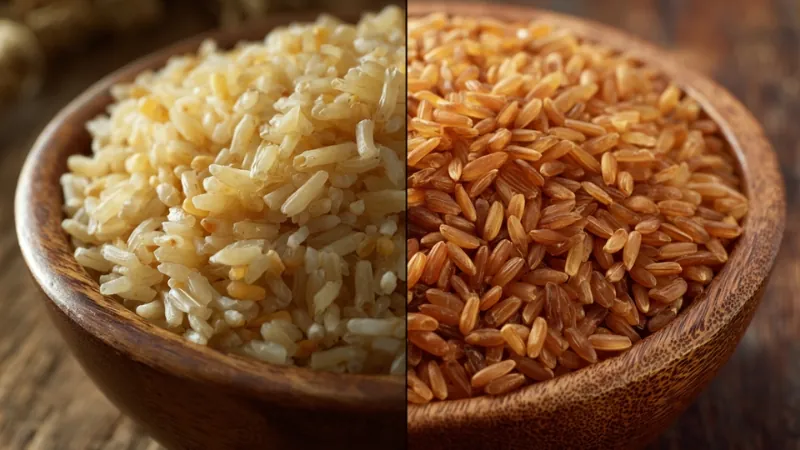
Brown rice is generally the healthier option for most people, while parboiled rice offers better nutrient retention than white rice and practical advantages in texture and cooking stability.
The difference comes down to how each rice is processed, how much of the grain structure remains intact, and how that affects fiber, micronutrients, glycemic response, and long-term metabolic health.
Neither is inherently unhealthy, but they serve different nutritional and culinary roles.
What Parboiled Rice and Brown Rice Actually Are
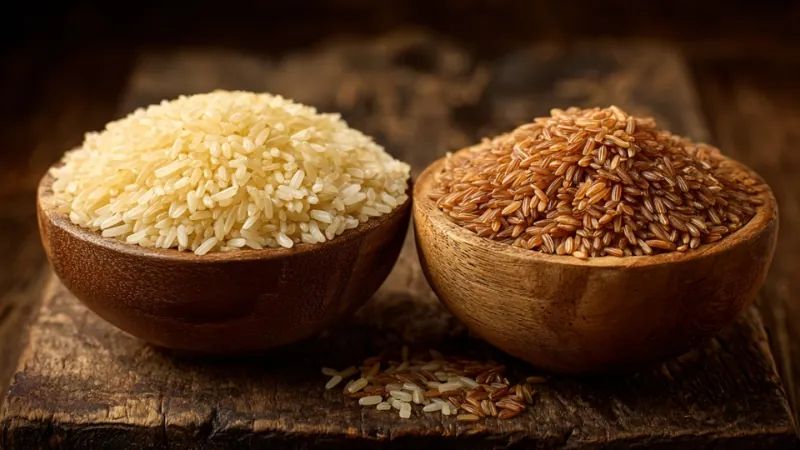
Parboiled rice and brown rice start as the same grain: whole paddy rice. The divergence happens during processing.
Brown rice is milled only enough to remove the inedible outer husk. The bran layer and germ remain intact, which preserves fiber, oils, vitamins, minerals, and bioactive compounds.
This minimal processing is the primary reason brown rice is consistently classified as a whole grain in dietary guidelines from organizations such as the WHO and USDA.
Parboiled rice, by contrast, undergoes a hydrothermal treatment before milling. The raw paddy rice is soaked, steamed under pressure, and then dried. This process gelatinizes the starch and forces some water-soluble nutrients from the bran into the endosperm.
After this, the rice is milled, removing the bran and germ just like white rice. The result is a grain that looks pale yellow, cooks firmer, and retains more nutrients than white rice, but less than brown rice.
This difference in processing is the foundation for every nutritional, sensory, and metabolic difference between the two.
Nutritional Comparison: Calories, Fiber, Vitamins, and Minerals
View this post on Instagram
From a calorie perspective, parboiled rice and brown rice are very similar. The real contrast appears in fiber content, micronutrients, and how those nutrients are packaged within the grain structure.
Macronutrients and Fiber (Cooked, per 100 g)
Nutrient
Brown Rice
Parboiled Rice
Calories
~123 kcal
~123 kcal
Carbohydrates
~25.6 g
~26.0 g
Protein
~2.7 g
~2.9 g
Fat
~1.0 g
~0.4 g
Dietary Fiber
~1.8 g
~1.0 g
Brown rice contains nearly double the fiber of parboiled rice. That fiber comes primarily from the intact bran layer and plays a direct role in digestive health, cholesterol regulation, and post-meal blood glucose control.
Parboiled rice has more fiber than white rice, but the milling process still removes most of the bran.
Micronutrients and B Vitamins
Nutrient
Brown Rice
Parboiled Rice
Magnesium
High
Moderate
Phosphorus
High
Moderate
Potassium
Moderate
Moderate
Thiamin (B1)
High
Moderate
Niacin (B3)
Moderate
Moderate
Iron
Low–Moderate
Moderate
Parboiling partially compensates for nutrient loss by pushing B vitamins and minerals into the endosperm before milling. This is why parboiled rice historically played an important role in reducing beriberi in regions where white rice dominated diets in the early 20th century.
Still, brown rice consistently delivers higher magnesium and more complete micronutrient density because nothing is removed after the husk.
Glycemic Index and Blood Sugar Response
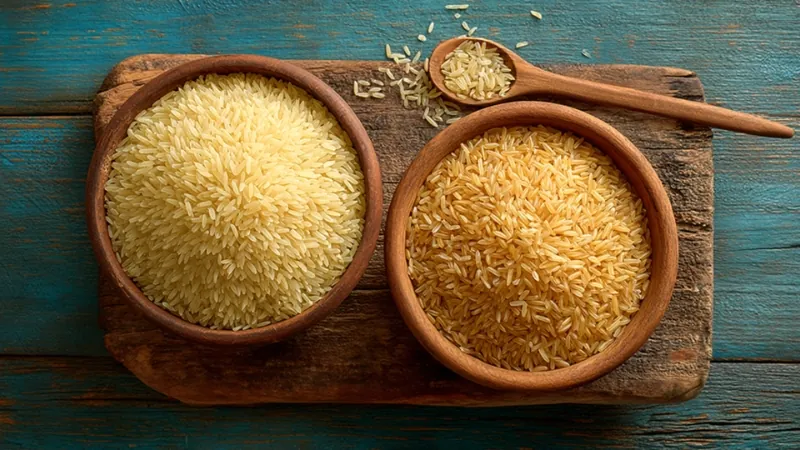
One of the most important health distinctions lies in glycemic behavior. Brown rice generally produces a lower and slower rise in blood glucose than parboiled rice, though parboiled rice performs better than standard white rice.
Rice Type
Typical Glycemic Index Range
Brown rice
50–55
Parboiled rice
38–45
White rice (reference)
65–75
Interestingly, parboiled rice often tests lower on the glycemic index than brown rice. This is due to starch retrogradation caused by the parboiling process, which creates more resistant starch.
Resistant starch behaves more like fiber during digestion, slowing glucose absorption.
However, this does not automatically make parboiled rice healthier overall. Glycemic index reflects short-term glucose response, not long-term nutrient intake, gut health, or micronutrient sufficiency.
For people managing diabetes, parboiled rice can be a practical compromise, especially if the brown rice texture or digestion is an issue.
Digestibility and Gut Impact
Brown rice contains more fiber, but also more phytic acid and intact plant compounds that some people find difficult to digest. This can lead to bloating or discomfort in sensitive individuals, especially when portion sizes are large or preparation is poor.
Proper rinsing, soaking, and thorough cooking reduce these effects, but they do not eliminate them.
Parboiled rice is easier to digest for most people. The parboiling process alters the starch structure and reduces antinutrient concentration. This makes it gentler on the digestive tract while still providing better nutrient density than white rice.
In hospital diets, institutional cooking, and regions where rice is eaten multiple times per day, this digestibility advantage is one reason parboiled rice remains widely used.
Taste, Texture, and Culinary Performance
From a culinary standpoint, brown rice and parboiled rice behave very differently.
Brown rice has a nutty flavor, firmer bite, and slightly chewy texture. The bran layer adds aroma and depth but also lengthens cooking time and reduces tolerance for overcooking. When mishandled, brown rice can become dry or unevenly cooked.
@everydayisfeastda what is parboiled rice? #rice #ricecooker ♬ original sound – Every Day is Feast Day
Parboiled rice cooks faster than brown rice and remains separate and firm even with extended heat. This makes it especially popular in dishes where grain separation matters, such as pilaf, biryani, and large batch food service. Its flavor is mild, neutral, and less aromatic than brown rice.
Attribute
Brown Rice
Parboiled Rice
Flavor
Nutty, earthy
Mild, neutral
Texture
Chewy, dense
Firm, separate
Cooking time
Longer
Moderate
Overcooking tolerance
Low
High
Long-Term Health Evidence
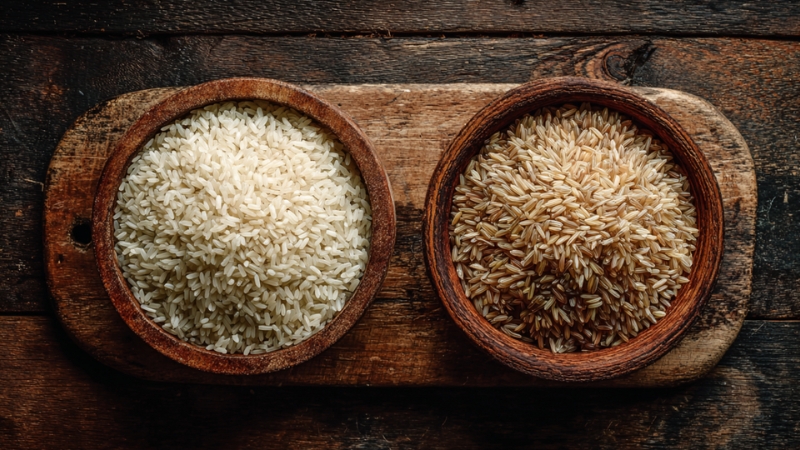
Large population studies consistently associate whole grain intake with reduced risk of cardiovascular disease, type 2 diabetes, and all-cause mortality. Brown rice, as a whole grain, contributes directly to these protective effects.
Replacing white rice with brown rice has been shown to improve insulin sensitivity and lipid profiles in controlled trials.
Parboiled rice does not carry the same level of epidemiological support, but it performs better than white rice in terms of micronutrient intake and glycemic control.
In populations where brown rice is culturally or practically inaccessible, parboiled rice represents a meaningful improvement.
Environmental and Storage Considerations
Brown rice contains natural oils in the germ, which makes it more prone to rancidity. It has a shorter shelf life and requires cooler, drier storage conditions.
Parboiled rice, having had the germ removed, stores longer and withstands transport and bulk storage more effectively. This practical factor partly explains why parboiled rice remains dominant in food aid programs and institutional kitchens.
Which One Is Healthier Overall?
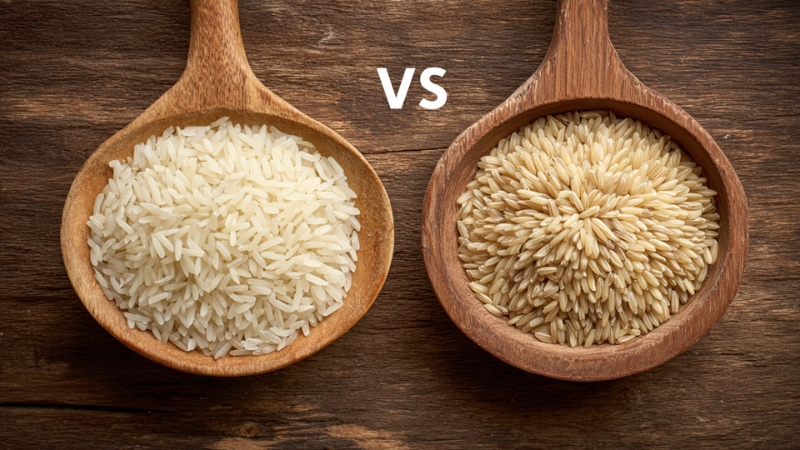
For most people, brown rice is the healthier choice because it delivers more fiber, more minerals, and a true whole grain structure that supports long-term metabolic and cardiovascular health. Its benefits accumulate over time rather than offering a single functional advantage.
Parboiled rice is healthier than white rice, easier to digest, more stable in cooking, and often better tolerated by people with sensitive digestion or high carbohydrate needs. It is not nutritionally equivalent to brown rice, but it is a reasonable middle ground.
A copycat Chipotle cilantro lime cauliflower rice option also fits well for diners who want a lower carbohydrate load with similar flavor appeal.
The healthiest choice depends less on ideology and more on how the rice fits into the overall diet, portion size, and preparation method. Brown rice favors nutrient density and long-term prevention. Parboiled rice favors consistency, digestibility, and metabolic control in practical settings.

I’m Leo McIntyre, and my love for cooking was born in my grandmother’s kitchen, where I discovered the magic of traditional Southern recipes. Inspired by her passion and the flavors of my childhood, I started SouthernParm to share these treasured family dishes and keep the rich culinary traditions of the South alive for everyone to enjoy.